How to Train Your Dog to Not Fear the Vacuum Cleaner
Anyone who has ever owned a dog knows that vacuums and pets often don’t mix well. The loud noise, sudden movements, and unfamiliar presence can make your furry friend retreat to the farthest corner of the house. But fear not! With patience and the right techniques, you can help your dog overcome their fear of the vacuum cleaner. 🐶
Table of Contents
1. Introduction
2. Understanding Your Dog’s Fear
3. Preparing for Training
4. Step-by-Step Training Guide
5. Tips for Success
6. FAQs
7. Conclusion
Understanding Your Dog’s Fear
Before diving into the training process, it’s essential to understand why dogs are afraid of vacuums. The primary culprit is the noise. Dogs have a more acute sense of hearing than humans, and what might seem like a tolerable sound to us can be overwhelming for them.
Additionally, the sudden movements of a vacuum can trigger a dog’s flight response. Some dogs may have had negative experiences with the vacuum or other loud appliances, reinforcing their fear. Recognizing these elements will help you tailor your approach to suit your dog’s unique needs.
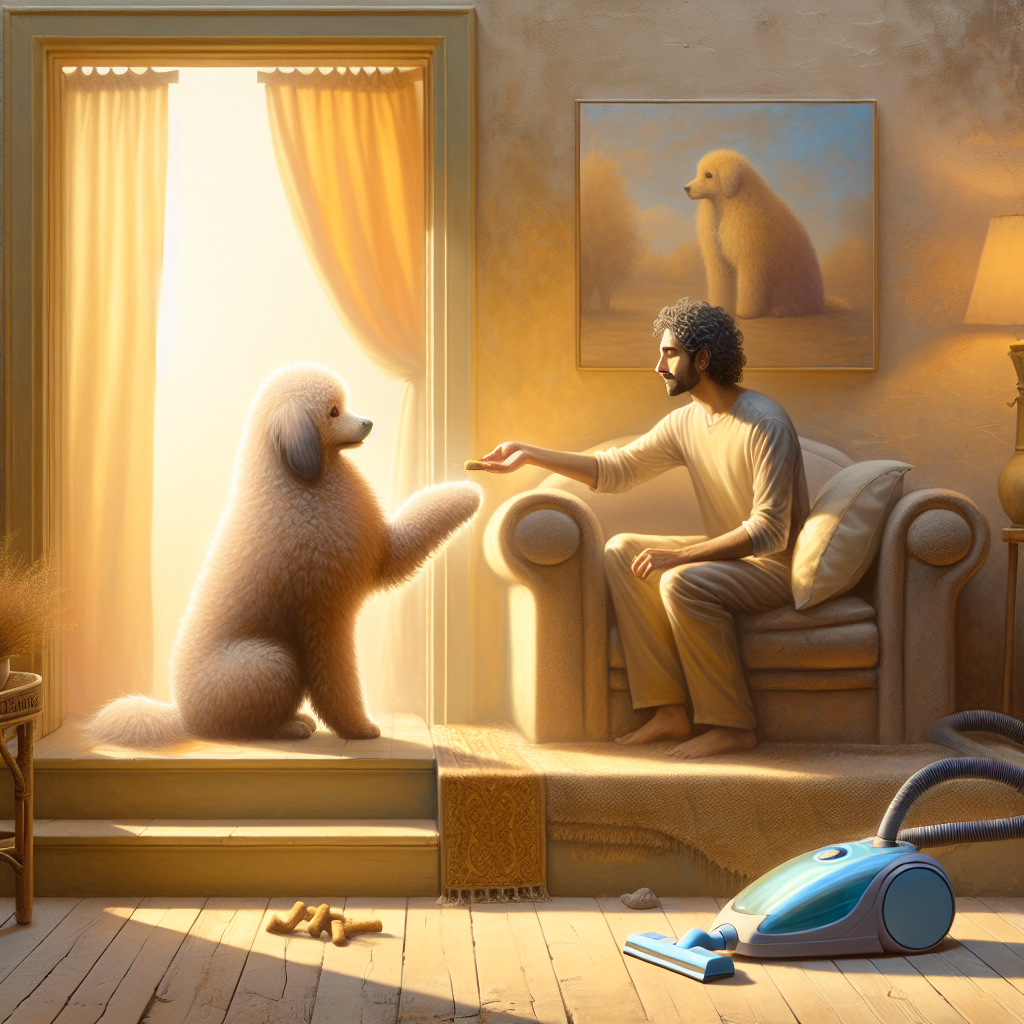
Preparing for Training
Training your dog to be comfortable around the vacuum cleaner is a gradual process. Before you begin, ensure you have these essentials:
1. Treats: Choose your dog’s favorite treats as rewards for positive behavior.
2. A Calm Environment: Make sure the area is free of other distractions to help your dog focus.
3. Patience: Remember, this process takes time, and every dog progresses at their own pace.
Step-by-Step Training Guide
Step 1: Introduce the Vacuum Cleaner
Start by introducing the vacuum cleaner to your dog while it is turned off. Let them sniff and explore it at their own pace. Offer treats and praise to create a positive association with the vacuum.
Step 2: Desensitize to the Sound
Gradually get your dog accustomed to the sound. Start by turning the vacuum on in a different room, where the sound is muffled. Reward your dog for staying calm. Slowly decrease the distance over several sessions.
Step 3: Practice Movement
Once your dog is comfortable with the sound, practice moving the vacuum around the room without turning it on. This helps your dog get used to the vacuum’s movements without the added stress of noise.
Step 4: Combine Movement and Sound
When your dog shows confidence with both noise and movement separately, try turning the vacuum on and moving it around. Keep sessions short and rewarding. If your dog becomes anxious, take a step back to the previous stage.
Tips for Success
1. Stay Positive: Dogs pick up on our emotions, so stay calm and encouraging during training sessions.
2. Be Consistent: Regular short sessions are more effective than occasional long ones. Consistency helps reinforce positive behavior.
3. Watch for Stress Signals: If your dog shows signs of stress, such as panting, yawning, or lip licking, give them a break and try again later.
FAQs
Q: How long will it take to train my dog?
A: The time it takes varies for each dog. Some may take a few weeks, while others might need a couple of months. Be patient and follow your dog’s pace.
Q: What if my dog never seems to get comfortable with the vacuum?
A: If your dog continues to struggle, consider consulting a professional dog trainer who can offer personalized advice and strategies.
Q: Can I use a different reward besides treats?
A: Absolutely! Use whatever motivates your dog, whether it’s toys, affection, or verbal praise.
Conclusion
Training your dog not to fear the vacuum cleaner takes time, patience, and a lot of positive reinforcement. By understanding your dog’s fears and using a systematic approach, you can help them become more comfortable with this everyday household appliance. Remember, every small step forward is a victory worth celebrating! 🎉
With the right mindset and dedication, you’ll soon have a dog that remains cool, calm, and collected while you tackle your cleaning chores. Happy training! 🥳