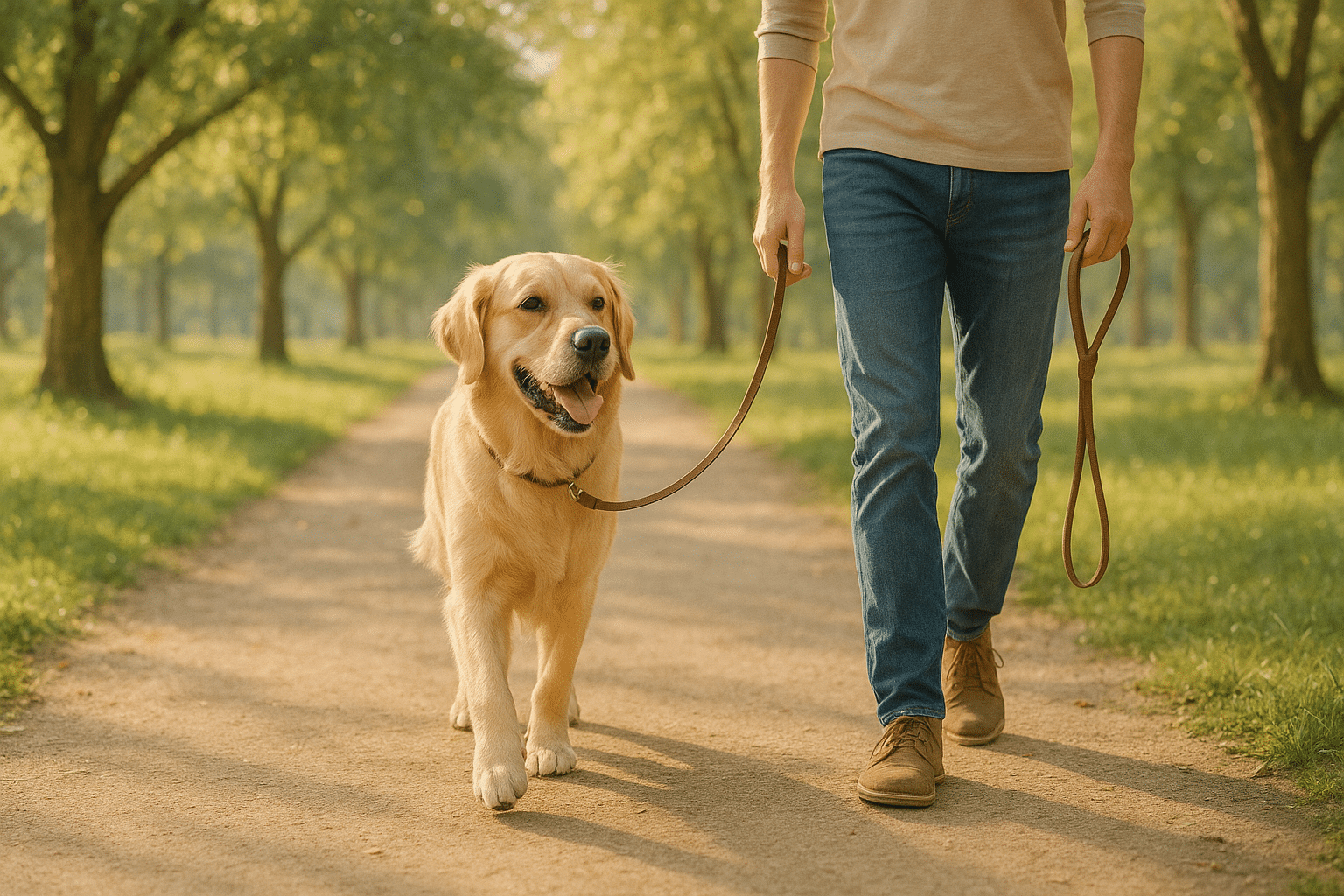
How to Train Your Dog to Stop Pulling on the Leash
Walking your dog should be a pleasant experience, but if your furry friend is constantly pulling on the leash, it can turn into a frustrating ordeal. Fear not, as there are effective ways to train your dog to walk calmly by your side. In this guide, we’ll explore practical steps to help you and your pet enjoy your walks together. 🐾
Table of Contents
1. Introduction
2. Understanding Why Dogs Pull on Leashes
3. Essential Tools for Leash Training
4. Step-by-Step Guide to Training Your Dog
5. Common Mistakes to Avoid
6. Frequently Asked Questions
7. Conclusion
Understanding Why Dogs Pull on Leashes
Before diving into training techniques, it’s essential to understand why dogs pull in the first place. Dogs are naturally curious creatures, and the great outdoors is full of exciting sights and smells. Pulling on the leash is often a result of their eagerness to explore and their lack of understanding of what we expect from a walk.
Essential Tools for Leash Training
Having the right tools can make a significant difference in your training success. Here are some essentials:
1. A Properly Fitted Harness
A harness can provide better control and comfort for your dog. Opt for a no-pull harness that discourages pulling without causing discomfort.
2. A Sturdy Leash
Choose a leash that is strong enough to handle your dog’s size and strength. A six-foot leash is often ideal for training purposes.
3. Treats and Rewards
Positive reinforcement is key. Have a supply of your dog’s favorite treats to reward good behavior.
Step-by-Step Guide to Training Your Dog
1. Start in a Low-Distraction Environment
Begin your training in a quiet area with minimal distractions to help your dog focus on you. This could be your backyard or a quiet street.
2. Teach Basic Commands
Basic commands such as “sit” and “stay” are foundational. Practice these commands to establish control and communication.
3. Use the “Heel” Command
Whenever your dog begins to pull, stop walking and use the “heel” command. Encourage your dog to return to your side by offering a treat when they do.
4. Practice Consistently
Consistency is crucial. Practice short training sessions daily to reinforce good leash manners. Repetition will help your dog learn what is expected.
5. Gradually Increase Distractions
As your dog becomes more comfortable with the commands, gradually increase the level of distractions. This could include walking near other dogs or in busier areas.
Common Mistakes to Avoid
Avoid these common pitfalls to ensure a smoother training experience:
1. Inconsistent Commands
Ensure all family members use the same commands and techniques to avoid confusing your dog.
2. Using Force or Punishment
Avoid using force or punishment as this can damage your relationship with your dog and may lead to fear-based behaviors.
3. Getting Frustrated
Training takes time and patience. Stay calm and positive, and remember that progress may be slow but is still progress.
Frequently Asked Questions
Q1: How long does it take to train a dog not to pull on the leash?
The time it takes varies depending on the dog’s age, breed, and temperament. With consistent training, you can start to see improvements within a few weeks.
Q2: Can older dogs learn to stop pulling?
Absolutely! While it may take a bit more patience, older dogs can learn new behaviors with positive reinforcement and consistent training.
Q3: What should I do if my dog pulls when they see another dog?
Work on desensitizing your dog to other dogs by practicing commands and rewarding calm behavior. Gradually decrease the distance between your dog and others during training sessions.
Conclusion
Training your dog to stop pulling on the leash can transform your walks from chaotic to calm. With the right tools, techniques, and a lot of patience, you’ll be well on your way to enjoying peaceful strolls with your four-legged companion. Remember, every dog learns at their own pace, so stay patient and celebrate small victories along the way. Happy walking! 🌟🐶