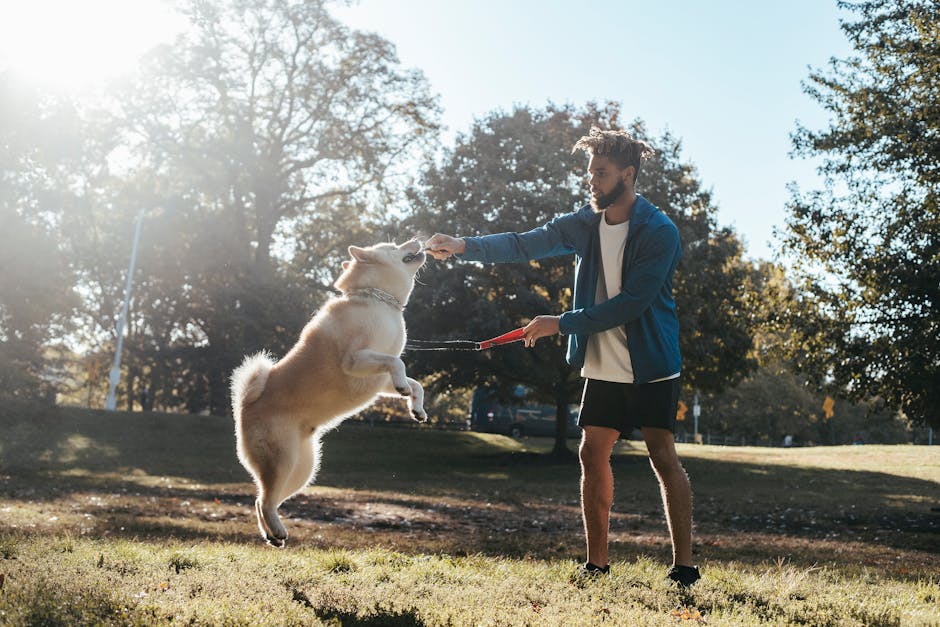
Bringing Max home as a puppy was pure joy, but that joy quickly mixed with a healthy dose of chaos. He was a whirlwind of energy, chewing everything in sight, ignoring commands, and generally wreaking havoc. I knew I needed help, and fast. That's when I began my foray into the world of dog training.
Dog training is often perceived as a series of strict commands and rigid routines. However, modern dog training is much more nuanced. It focuses on building a positive relationship with your dog based on trust, understanding, and consistent communication. This approach not only teaches your dog desired behaviors but also strengthens your bond and creates a happier, more well-adjusted pet.
One of the most crucial elements of successful dog training is positive reinforcement. This involves rewarding desired behaviors with treats, praise, or toys, making the learning process enjoyable for your dog. Punishment, on the other hand, can be detrimental, leading to fear and anxiety. Instead, focus on rewarding the good and redirecting unwanted behaviors.
Consistency is key. Dogs thrive on routine and predictability. Establishing clear rules and boundaries, and consistently enforcing them, helps your dog understand what is expected of them. This doesn't mean being harsh, but rather being clear and predictable in your communication.
Starting training early is ideal, but it's never too late to teach an old dog new tricks. Adult dogs, even senior dogs, can learn and benefit from training. The key is to tailor the training approach to your dog's age, breed, and temperament.
There are various training methods available, from group classes to private lessons, and even online resources. Group classes offer socialization opportunities, while private lessons provide individualized attention. Choosing the right method depends on your dog's needs and your personal preferences.
My journey with Max wasn't always smooth sailing. There were days filled with frustration and setbacks. But with patience, persistence, and a commitment to positive reinforcement, we made progress. Max learned to sit, stay, come when called, and even walk calmly on a leash.
Today, Max is a well-behaved and happy companion. He's still energetic, but his energy is now channeled into positive activities like playing fetch and going for hikes. Dog training wasn't just about teaching him commands; it was about building a strong, loving relationship based on mutual respect and understanding.