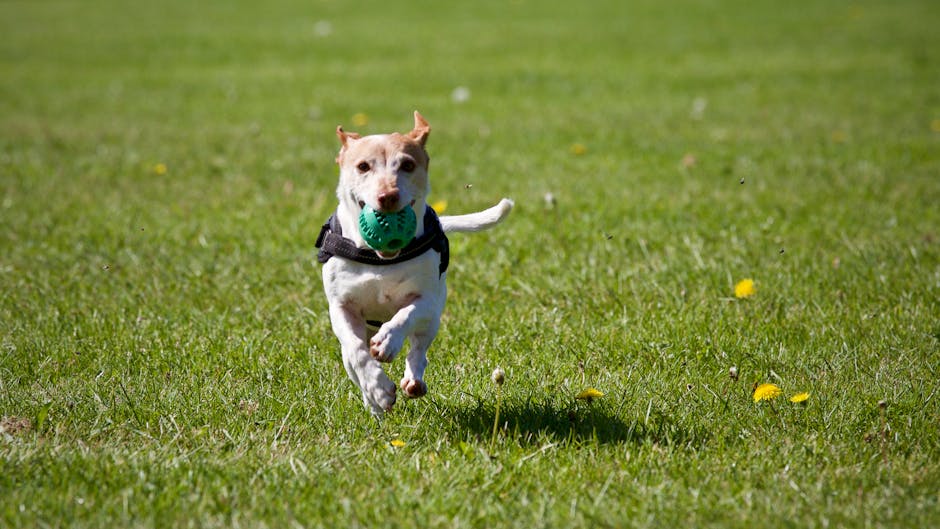
Dog training is a rewarding experience for both you and your canine companion. It builds a strong bond, establishes clear communication, and ultimately creates a happier, more well-adjusted dog. Whether you have a brand new puppy or an older dog with some ingrained habits, training is a lifelong journey that strengthens your relationship and provides essential life skills for your furry friend.
One of the most fundamental aspects of dog training is establishing clear and consistent communication. Dogs don't understand human language in the same way we do, so it's crucial to use methods they can comprehend. This involves using positive reinforcement, such as treats, praise, and toys, to reward desired behaviors. Consistency is key, as dogs thrive on routine and predictability. Using the same commands and hand signals every time helps them understand what you're asking.
Starting with basic obedience commands like "sit," "stay," "come," and "down" is a great foundation for any dog. These commands provide a framework for communication and help establish you as the leader. Short, frequent training sessions are more effective than long, infrequent ones, especially for puppies with shorter attention spans. Keeping training sessions positive and fun will keep your dog engaged and eager to learn.
Beyond basic obedience, training can address specific behavioral issues like excessive barking, jumping, or pulling on the leash. Understanding the underlying cause of these behaviors is crucial for effective training. For example, a dog that barks excessively might be bored, anxious, or territorial. Addressing the root cause, combined with training techniques like desensitization and counter-conditioning, can help modify these behaviors.
Socialization is another vital aspect of dog training, especially for puppies. Exposing your dog to different people, dogs, and environments from a young age helps them develop into well-adjusted adults. Proper socialization can prevent fear-based aggression and reactivity later in life. Enrolling your dog in puppy classes or group obedience training can provide valuable socialization opportunities.
House training is often one of the first training challenges new dog owners face. Establishing a routine, taking your dog out frequently, and rewarding successful potty breaks are essential for house training success. Crate training can also be a helpful tool for house training, as dogs instinctively avoid soiling their den.
One command that proved particularly challenging for Luna and me was "leave it." Luna, being a Labrador, has a strong scavenging instinct. Teaching her to resist the temptation of dropped food or other enticing objects required patience and persistence. We started with low-value items and gradually increased the difficulty. With consistent practice and positive reinforcement, Luna eventually mastered the command, which has proven invaluable in various situations.
Dog training is an ongoing process that requires patience, consistency, and a positive attitude. It's a journey of learning and growth for both you and your dog, strengthening your bond and creating a harmonious relationship. Embrace the challenges, celebrate the successes, and enjoy the journey of training your furry friend.