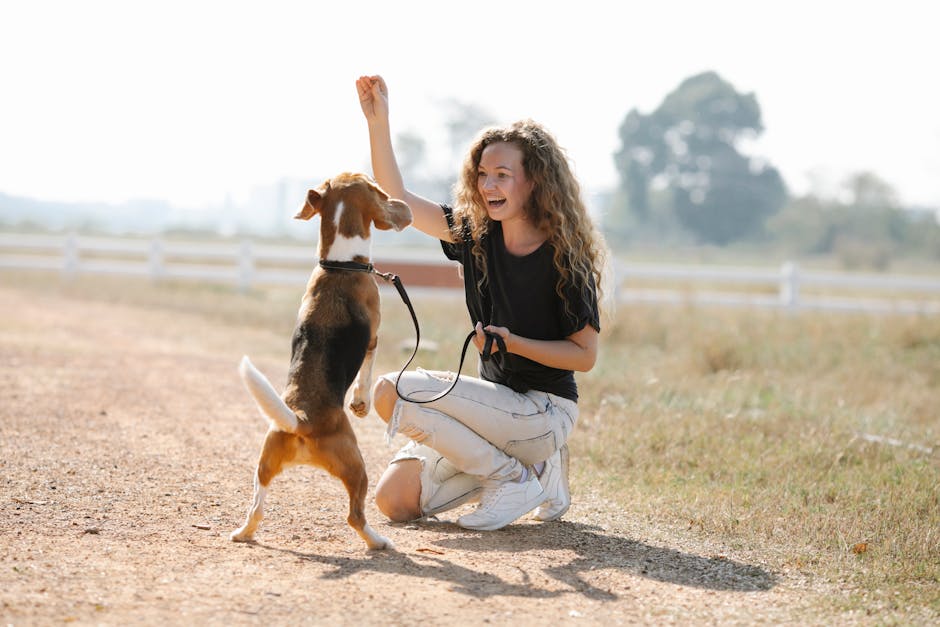
Dog training. Those two words used to fill me with a mixture of excitement and trepidation. I envisioned perfectly executed commands and a flawlessly behaved canine companion. The reality, as I soon discovered with my energetic Labrador puppy, Max, was far more chaotic and comical. From chewed slippers to zoomies through the flowerbeds, Max tested every ounce of my patience and challenged my preconceived notions about training.
The initial weeks were a whirlwind of puppy energy and my desperate attempts to instill some semblance of order. We tried various methods, from positive reinforcement with treats to stern reprimands, but nothing seemed to stick. Max would look at me with his big, innocent eyes, tail wagging furiously, as if completely oblivious to the havoc he had wreaked. I began to question my abilities as a dog owner and wondered if I was simply destined to live in a perpetually messy home ruled by a four-legged whirlwind.
Then, a friend recommended a local dog trainer who specialized in positive reinforcement techniques. Skeptical but desperate, I signed up for a series of classes. It was a game-changer. The trainer explained that dogs respond best to consistent, positive feedback and that building a strong bond based on trust and mutual respect was crucial. She showed us how to use treats, praise, and even simple hand gestures to communicate effectively with our dogs.
The first few classes were humbling. Max, surrounded by other well-behaved dogs, seemed determined to prove he was the most rambunctious of the bunch. He pulled on his leash, barked at other dogs, and generally ignored my attempts to get him to focus. But the trainer remained patient and encouraging, reminding me that every dog learns at their own pace.
Slowly but surely, things began to change. Max started to respond to basic commands like "sit" and "stay." He even managed to walk on a leash without pulling me down the street. The small victories felt immense, and I realized that the key to successful dog training wasn't about dominance or forcing obedience, but about building a positive relationship with my dog.
We continued attending classes, gradually progressing to more advanced commands and tricks. Max, to my surprise and delight, discovered a hidden talent for agility training. He navigated obstacle courses with enthusiasm and precision, his earlier rambunctiousness channeled into focused energy. The bond between us grew stronger with each successful maneuver, each shared moment of accomplishment.
Dog training, I discovered, is not a destination but an ongoing journey. It's about learning to understand your dog's unique personality, communicating effectively, and building a partnership based on mutual respect and trust. It's about celebrating the small victories and embracing the inevitable setbacks with patience and humor.
Looking back at our chaotic beginnings, I'm amazed by how far we've come. Max, once a whirlwind of puppy energy, is now a well-behaved, confident companion. He still has his moments of mischief, of course, but now we navigate them together, with a shared understanding and a bond that has been forged through the trials and triumphs of our training journey.