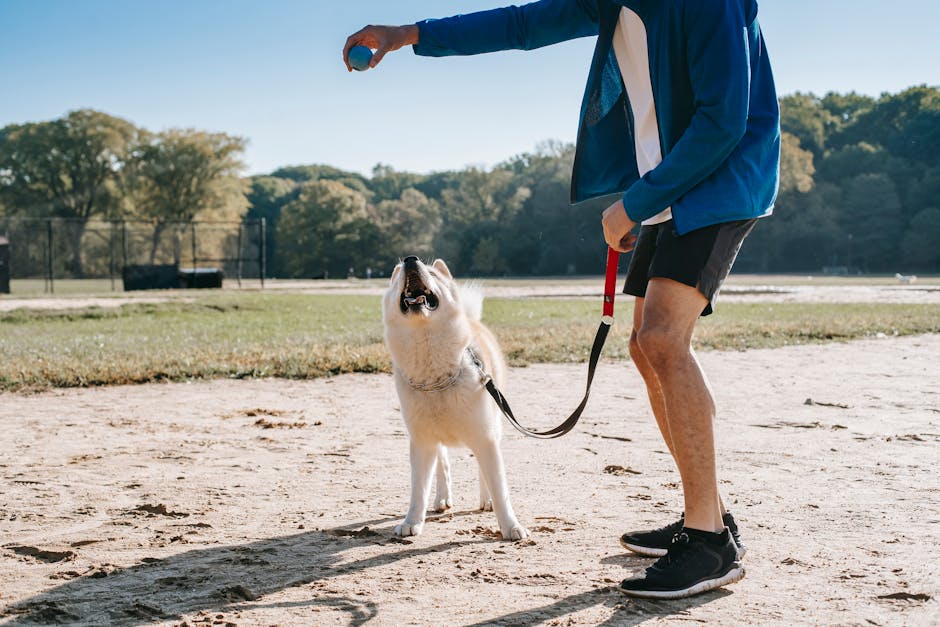
The Role of Diet in Successful Dog Training
When it comes to training your furry friend, you might think of commands, treats, and lots of patience. But have you ever considered how your dog’s diet plays a pivotal role in their training success? Just like humans, dogs need the right fuel to perform at their best. In this blog post, we’ll explore the connection between diet and dog training, offering insights and tips to help you and your pup succeed. 🐶
Table of Contents
1. Introduction
2. Understanding Canine Nutrition
3. The Connection Between Diet and Behavior
4. Foods That Boost Training Success
5. Foods to Avoid for Optimal Training
6. Incorporating Treats in Training
7. Conclusion
8. FAQs
Understanding Canine Nutrition
Before diving into the specifics of diet and training, it’s crucial to understand the basics of canine nutrition. Dogs, like humans, require a balanced diet that includes proteins, fats, carbohydrates, vitamins, and minerals. A well-rounded diet supports their overall health, energy levels, and cognitive function, all of which are vital for effective training.
The Connection Between Diet and Behavior
Have you ever noticed how a sugary snack can make a child hyperactive? Similarly, the food your dog consumes can significantly impact their behavior. A diet rich in high-quality proteins and low in fillers can enhance your dog’s focus, energy, and mood, making them more receptive to training.
Foods That Boost Training Success
To ensure your dog is primed for training, consider incorporating the following foods into their diet:
Lean Proteins: Proteins from sources like chicken, turkey, and fish are essential for muscle development and energy.
Omega-3 Fatty Acids: Found in fish oil and flaxseed, omega-3s support brain health and can improve cognitive function, which is crucial for learning new commands.
Complex Carbohydrates: Brown rice, sweet potatoes, and oats provide sustained energy, helping your dog stay attentive during training sessions.
Antioxidant-rich Foods: Blueberries, spinach, and carrots are packed with antioxidants that support brain health and overall well-being.
Foods to Avoid for Optimal Training
Just as some foods can boost training success, others can hinder it. Beware of the following:
Processed Foods: High in additives and preservatives, processed foods can lead to hyperactivity and lack of focus.
Excessive Sugars: Sugary treats can cause energy spikes followed by crashes, making it hard for your dog to concentrate.
High-fat Snacks: While fats are essential, too much can lead to sluggishness and weight gain, both of which can obstruct training efforts.
Incorporating Treats in Training
Treats are a powerful motivator during training, but they should be used wisely. Opt for small, healthy treats that align with your dog’s dietary needs. Consider making homemade treats using ingredients like peanut butter, pumpkin, and whole grains to keep them both enticing and nutritious.
Conclusion
The role of diet in successful dog training cannot be overstated. By providing your dog with a balanced, nutrient-rich diet, you’ll not only enhance their health but also improve their ability to learn and perform during training. Remember, a healthy dog is a happy and trainable dog! 🐕
FAQs
Q: Can I use human food as treats during training?
A: Yes, many human foods like small pieces of chicken or cheese can be used as treats. However, always ensure they are safe for dogs and given in moderation.
Q: How often should I feed my dog to support training?
A: It’s best to stick to regular meal times, typically twice a day, with training treats given sparingly in between meals.
Q: What if my dog has dietary restrictions?
A: If your dog has specific dietary needs or allergies, consult your veterinarian to tailor a diet that supports both their health and training goals.
Remember, every dog is unique, so it’s important to find what works best for your furry friend. With the right diet and training approach, you’ll be well on your way to a well-behaved and happy dog! 🐾