
The Role of Technology in Evolving Dog Training Practices
In today’s fast-paced world, technology has seeped into every corner of our lives, including how we train our beloved furry friends. Dog training, once dominated by whistles and basic commands, has transformed into a high-tech affair. 🐾 Let’s delve into how technology is reshaping dog training practices, making them more efficient and enjoyable for both dogs and their owners.
Table of Contents
1. Introduction
2. The Advent of Wearable Technology for Dogs
3. Interactive Training Apps and Platforms
4. Virtual Reality and Augmented Reality in Dog Training
5. The Impact of Artificial Intelligence
6. Conclusion
7. FAQs

Introduction
Have you ever wondered how technology can impact dog training? With the rise of innovative gadgets and apps, pet owners now have an arsenal of tools at their disposal to enhance their training sessions. From wearable tech to AI-driven insights, understanding these advancements can lead to a more harmonious relationship with our canine companions.
The Advent of Wearable Technology for Dogs
Wearable technology isn’t just for humans anymore. Enter the world of smart collars and fitness trackers designed specifically for dogs. These devices can monitor a dog’s activity levels, heart rate, and even sleeping patterns, providing valuable data to tailor training programs. 🐕
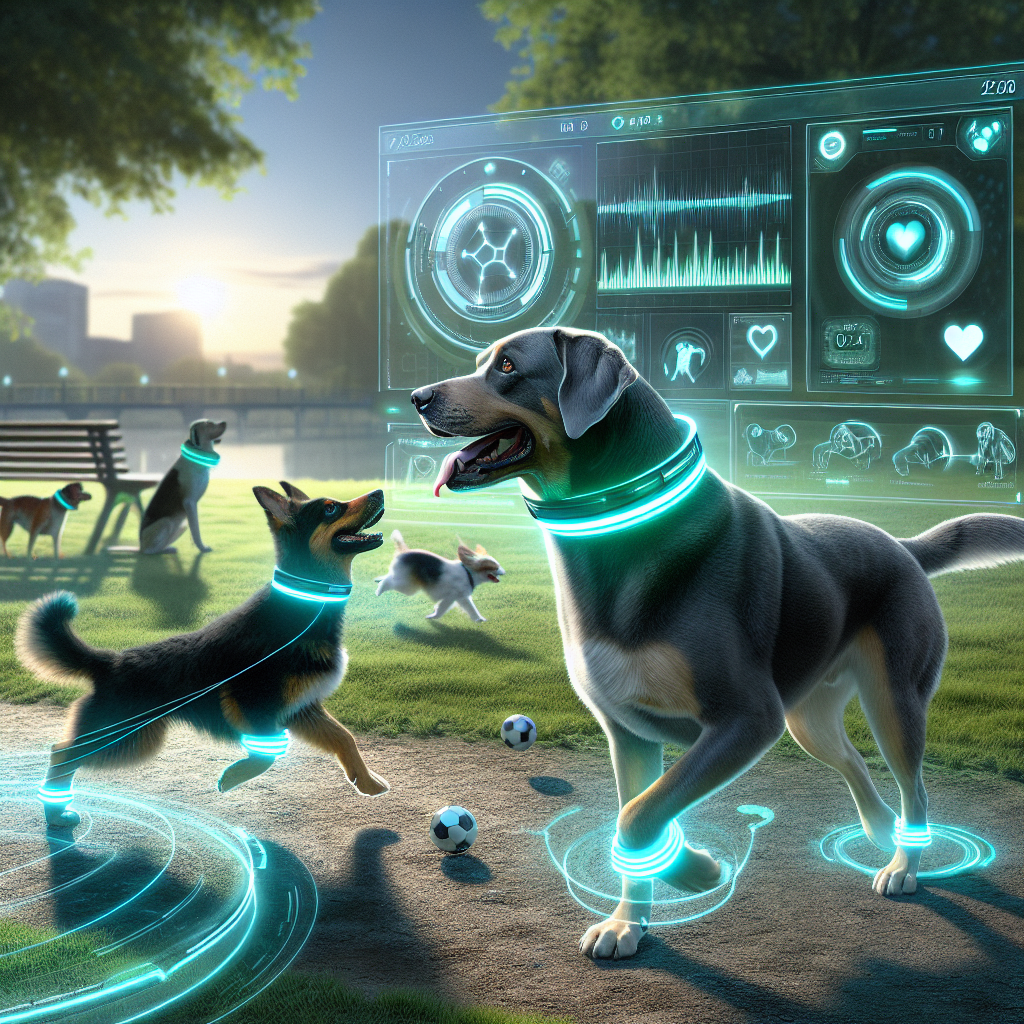
Imagine being able to track your dog’s progress in real-time, adjusting your training methods based on actual data rather than guesswork. This level of insight ensures that training is not only effective but also aligned with your dog’s unique needs.
Interactive Training Apps and Platforms
The world of apps has opened new doors for dog trainers and pet owners alike. Interactive platforms offer tutorials, tips, and virtual classes that cater to various training levels. Whether you’re teaching basic commands or advanced tricks, there’s likely an app for that.
Apps such as “Puppr” and “Dogo” provide step-by-step guides, video demonstrations, and progress tracking features that make training convenient and engaging. Plus, with community features, you can connect with other dog owners and trainers globally, sharing experiences and advice.
Virtual Reality and Augmented Reality in Dog Training
Virtual Reality (VR) and Augmented Reality (AR) are no longer confined to the realms of gaming and entertainment. These technologies are making waves in dog training by creating immersive environments for both dogs and trainers.
VR can simulate real-world scenarios, allowing dogs to practice commands and behaviors in a controlled setting. For trainers, AR can overlay digital information onto the real world, providing guidance and instant feedback on training techniques. This innovation is particularly beneficial for desensitization training, where dogs can be gradually exposed to stimuli that might otherwise be too overwhelming in real life.
The Impact of Artificial Intelligence
Artificial Intelligence (AI) is revolutionizing dog training by offering predictive analytics and personalized training plans. AI-driven platforms can analyze a dog’s behavior patterns, identify areas for improvement, and suggest tailored training strategies.
For instance, AI can help pinpoint the best times for training sessions based on your dog’s energy levels and attention span. It can also alert you to potential behavioral issues before they arise, enabling proactive training adjustments. The integration of AI makes training more data-driven, fostering more effective communication between you and your pet.
Conclusion
Technology’s role in dog training is undeniably transformative. From wearables that track your pet’s health to AI systems offering personalized insights, these advancements are making training more effective and enjoyable. As technology continues to evolve, so too will the ways we connect with our canine companions, ensuring they lead happy, well-trained lives. 🐾
FAQs
Q: What are some popular dog training apps?
A: Popular apps include “Puppr” and “Dogo,” which offer comprehensive training guides and community support.
Q: How can wearable technology benefit my dog’s training?
A: Wearable tech provides real-time data on your dog’s activity and health, allowing you to tailor training programs to suit their needs.
Q: Is AI reliable for creating personalized dog training plans?
A: Yes, AI analyzes behavior patterns and suggests adjustments, offering a data-driven approach to training.
Q: Can VR and AR be used for all types of dog training?
A: While particularly useful for desensitization training, VR and AR can be adapted for various training scenarios, enhancing learning experiences.