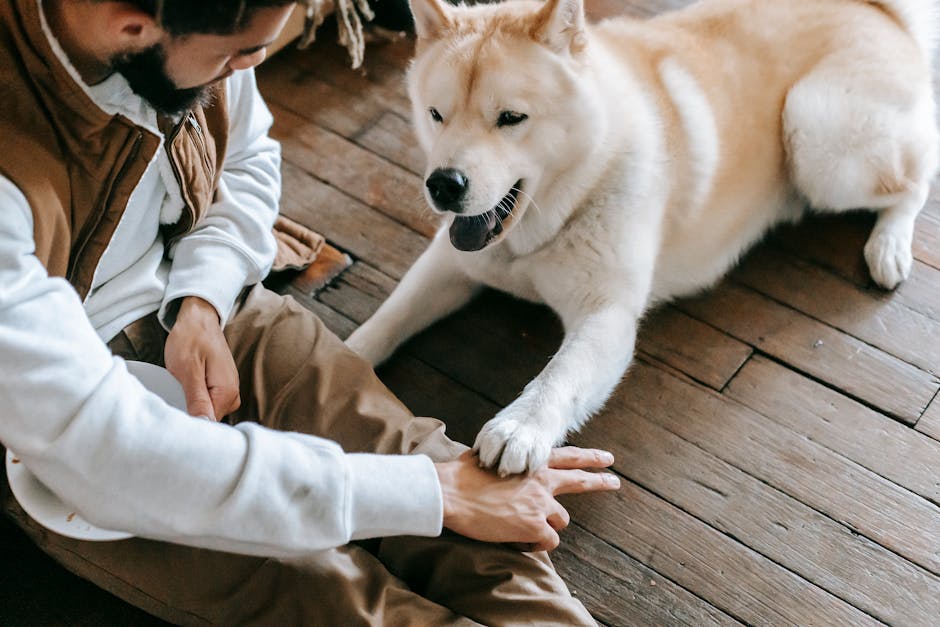
Dog training is a rewarding journey for both you and your canine companion. It builds a strong bond, enhances communication, and ensures a harmonious coexistence. Whether you have a playful puppy or an adult dog needing some guidance, consistent training is key to a happy and well-behaved pet. This post will provide you with valuable insights and practical tips to make your dog training experience successful.
Before embarking on any training, understanding your dog's personality and learning style is crucial. Some dogs are highly motivated by food, while others respond better to praise or toys. Observe your dog's reactions to different stimuli and tailor your training approach accordingly. Patience is paramount; every dog learns at their own pace, and progress may not always be linear. Celebrate small victories and avoid harsh corrections, which can hinder learning and damage your relationship.
Positive reinforcement is the cornerstone of effective dog training. Reward desired behaviors with treats, praise, or a favorite toy. This method encourages your dog to repeat those behaviors, creating a positive association with training. Consistency is key; use the same commands and hand signals every time to avoid confusion. Keep training sessions short and engaging to maintain your dog's focus and prevent boredom.
Start with basic commands like "sit," "stay," and "come." These commands are essential for everyday life and form the foundation for more advanced training. Use clear and concise verbal cues accompanied by hand signals. Gradually increase the duration and complexity of the commands as your dog progresses. Practice in various environments to ensure your dog can perform the commands reliably regardless of distractions.
Leash training is another crucial aspect of dog training. A well-behaved dog on a leash is a pleasure to walk and ensures safety for both the dog and others. Introduce the leash gradually and reward your dog for walking calmly by your side. Avoid pulling or jerking the leash, as this can create negative associations. Instead, use gentle guidance and positive reinforcement to encourage loose-leash walking.
Socialization is essential for a well-rounded dog. Expose your dog to various people, dogs, and environments from a young age. This helps them develop appropriate social skills and reduces the likelihood of fear or aggression. Supervise interactions and ensure they are positive and rewarding for your dog. Early socialization is particularly important for puppies, as it shapes their behavior and temperament in adulthood.
Crate training can be a valuable tool for housebreaking and providing a safe space for your dog. Introduce the crate gradually and make it a positive experience by associating it with treats and toys. Never use the crate as punishment. A properly crate-trained dog will view their crate as a den-like sanctuary where they can relax and feel secure.
Remember, dog training is an ongoing process. Consistency, patience, and positive reinforcement are the keys to success. With dedication and a positive approach, you can build a strong bond with your dog and enjoy a harmonious life together. If you encounter challenges, seek guidance from a professional dog trainer who can provide personalized support and address specific behavioral issues.