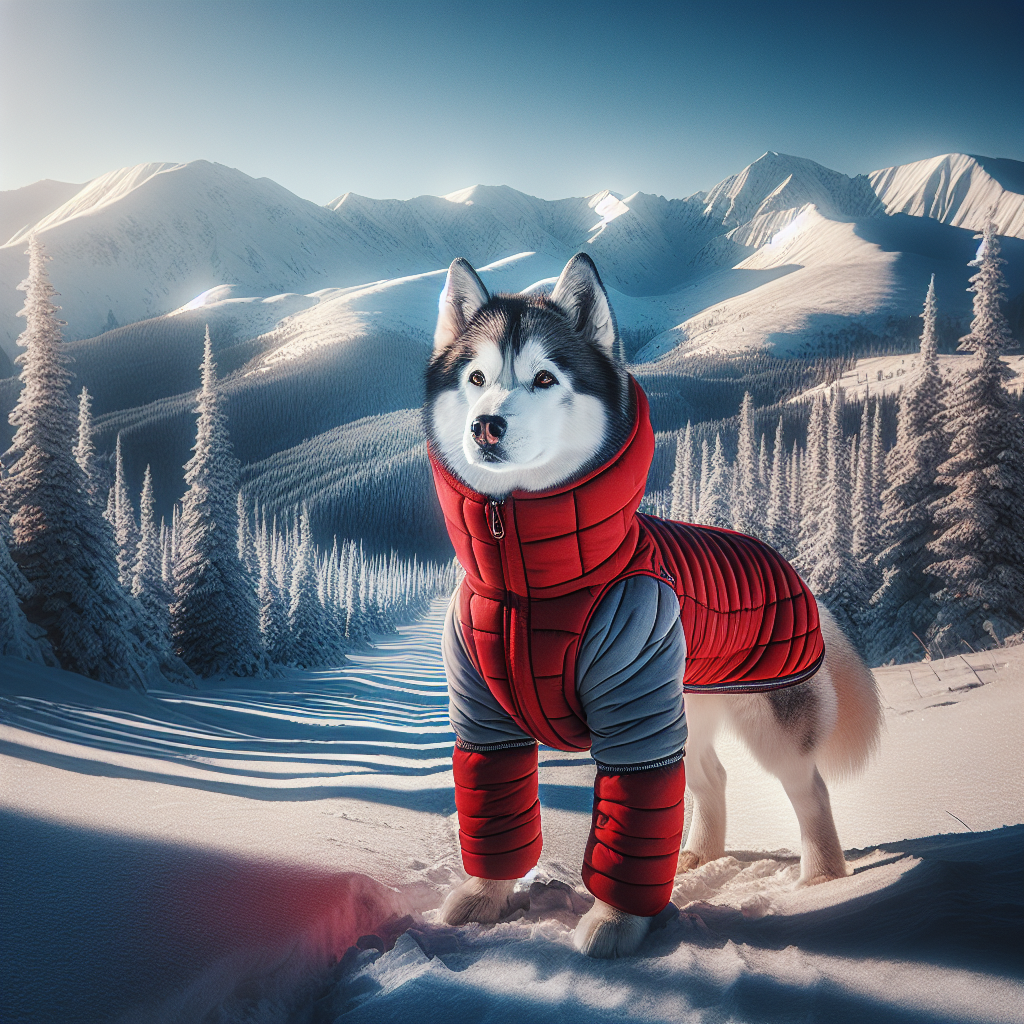
Training a Dog for Cold Weather Adventures: Your Ultimate Guide
As the temperature drops and snow blankets the ground, many adventurous souls are eager to explore the winter wonderland with their furry companions. But before you and your dog set off on a snowy escapade, it’s crucial to ensure your pup is ready for cold weather adventures. In this guide, we’ll take you through the steps necessary to prepare your dog for the chill, ensuring both safety and fun in the frosty outdoors.
Table of Contents
1. Understanding Your Dog’s Cold Weather Tolerance
2. Essential Gear for Cold Weather Adventures
3. Training Tips for Winter Conditions
4. Nutrition and Hydration: Keeping Your Dog Healthy
5. Safety Tips for Snowy Terrains
6. Conclusion
7. FAQs
Understanding Your Dog’s Cold Weather Tolerance 🌡️
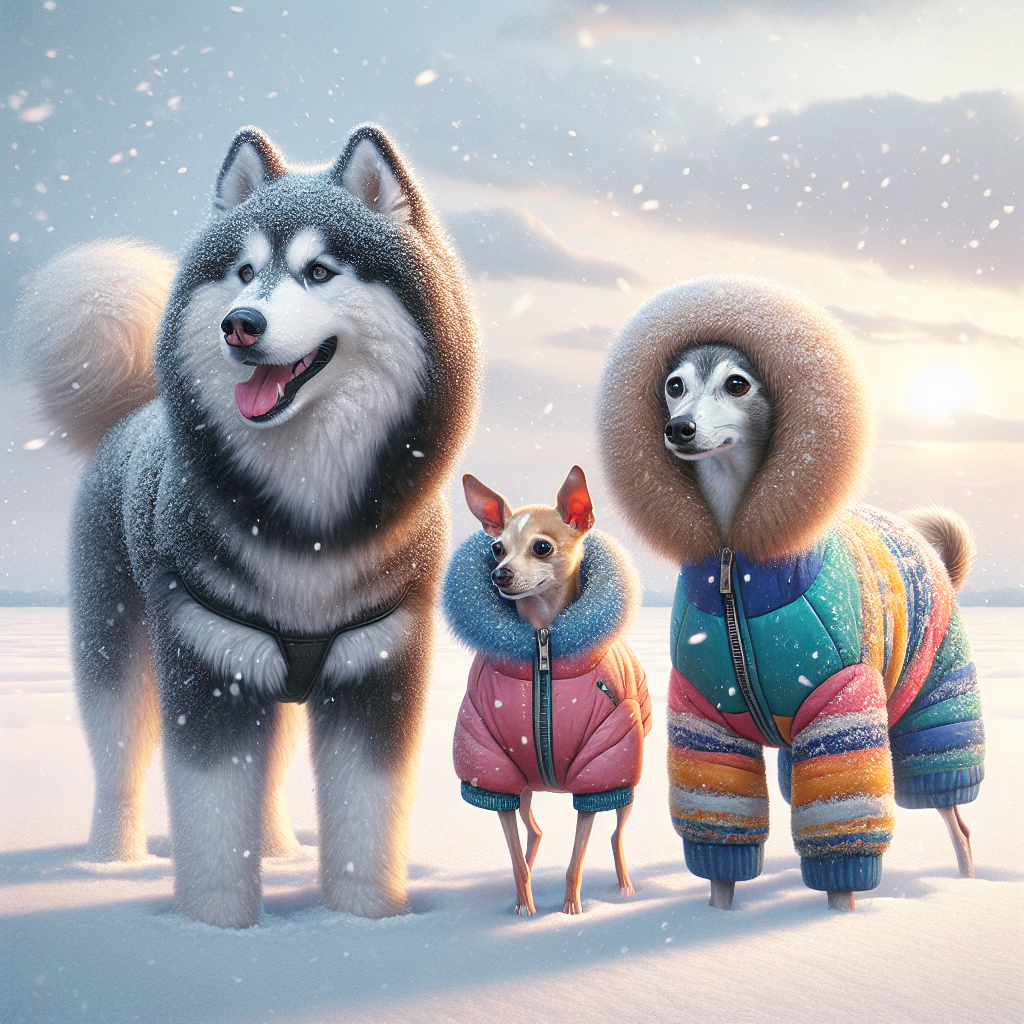
Before embarking on a cold weather adventure, it’s essential to recognize your dog’s cold tolerance. Just like humans, dogs have varying levels of comfort in cold temperatures. Factors such as breed, size, age, and coat thickness can significantly influence how well your dog can handle the cold.
For instance, breeds like Siberian Huskies and Alaskan Malamutes are naturally equipped for snow with their thick, double coats. On the other hand, breeds with short hair, such as Greyhounds or Chihuahuas, may need extra protection. Always monitor your dog for signs of discomfort or hypothermia, such as shivering, lethargy, or whining.
Essential Gear for Cold Weather Adventures 🧣
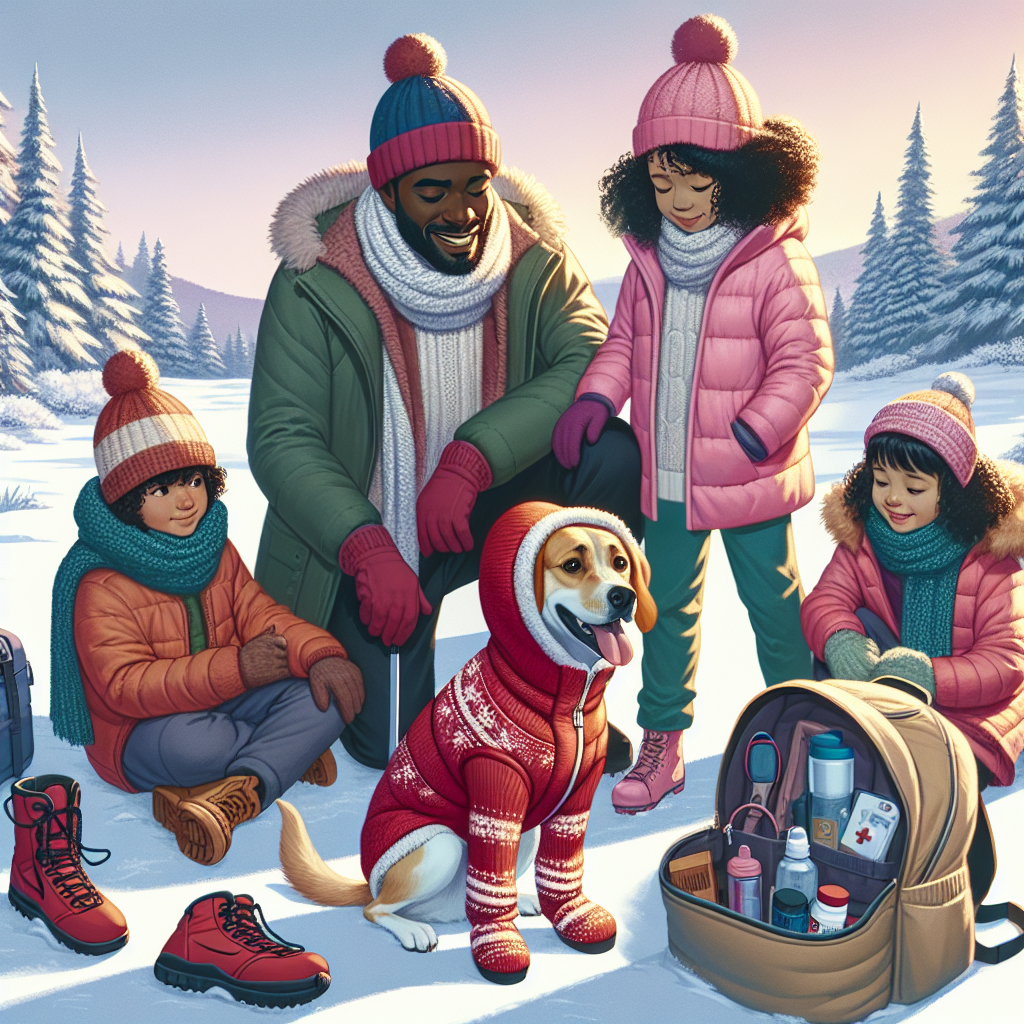
To ensure your dog is cozy and safe during your winter outings, invest in some essential cold weather gear:
Dog Jackets and Sweaters
For dogs with shorter coats, a well-fitted jacket or sweater can provide much-needed warmth. Look for waterproof and windproof options to protect against the elements.
Boots
Snow and ice can be harsh on your dog’s paws. Quality boots will shield their feet from frostbite and provide traction on slippery surfaces. Ensure the boots fit snugly and practice at home before heading out.
Reflective Gear
With shorter daylight hours in winter, reflective gear is crucial for visibility. Reflective collars, leashes, or vests can help keep your dog safe from traffic and more visible in low light conditions.
Training Tips for Winter Conditions ❄️
Training your dog for cold weather adventures involves more than just gear—it’s also about preparing them for the specific challenges that winter can bring.
Acclimatization
Gradually introduce your dog to colder environments. Begin with short walks and slowly increase the duration as they become more comfortable. This helps build resilience and allows you to observe how they react to the cold.
Basic Commands
Ensure your dog responds reliably to basic commands like “come,” “stay,” and “leave it.” These commands are especially crucial in snowy environments where visibility might be reduced.
Leash Training
Snow can mask scents and visual cues that your dog might usually rely on. Solid leash training ensures you have control and can prevent your dog from wandering off or getting lost.
Nutrition and Hydration: Keeping Your Dog Healthy 🍲
Cold weather increases your dog’s energy requirements. Ensure they receive a balanced diet with enough calories to maintain their energy levels. Consider consulting with your vet to adjust their food intake if necessary.
Hydration is equally important, as dogs can still become dehydrated in winter. Always bring fresh water on your adventures, as snow or ice might not be sufficient to hydrate your dog.
Safety Tips for Snowy Terrains 🏔️
Winter landscapes are beautiful but can also pose risks. Here are some safety tips to keep in mind:
Avoid Thin Ice
Keep your dog away from frozen lakes or ponds, as thin ice can be dangerous. Stick to marked trails and avoid unfamiliar frozen surfaces.
Watch for Frostbite
Check your dog’s ears, paws, and tail regularly for signs of frostbite, such as pale or gray skin. If you suspect frostbite, seek veterinary attention immediately.
Stay Visible
As mentioned earlier, reflective gear is vital. Also, consider using LED collars or lights to make your dog more visible during early morning or evening walks.
Conclusion
With the right preparation, training, and gear, you and your dog can enjoy memorable cold weather adventures. Always prioritize your dog’s health and safety, and relish the unique beauty that winter has to offer.
FAQs
How cold is too cold for my dog? 🥶
It varies by breed and individual dog, but generally, temperatures below 45°F (7°C) can be uncomfortable for small or short-haired dogs. Pay attention to your dog’s behavior for signs of discomfort.
Can all dogs wear boots?
Most dogs can be trained to wear boots, although some might need time to adjust. Start with short periods at home, using treats and positive reinforcement.
What should I do if my dog shows signs of hypothermia?
Warm your dog immediately by wrapping them in blankets and bringing them indoors. Contact your veterinarian as soon as possible for guidance.
By following these tips and guidelines, you and your furry friend can safely embark on countless winter adventures together. Stay warm and have fun! 🌨️🐾