Training a Dog with Separation Anxiety: Strategies and Solutions
Every dog owner wants their furry friend to be happy and healthy. But what happens when your beloved pooch struggles with separation anxiety? This common issue can be challenging for both pets and their owners. Fortunately, with the right strategies and solutions, you can help your canine companion overcome this distress. 🐾
Table of Contents
1. Understanding Separation Anxiety in Dogs
2. Identifying the Signs of Separation Anxiety
3. Effective Training Strategies
4. Solutions to Ease Anxiety
5. When to Seek Professional Help
6. FAQs

Understanding Separation Anxiety in Dogs
Separation anxiety in dogs is a condition where a dog experiences extreme distress when left alone. This anxiety can manifest in various ways, from destructive behavior to excessive barking or whining. Understanding the root cause of your dog’s anxiety is the first step toward addressing it.
Dogs are pack animals, and they thrive on social interaction. When separated from their human family members, some dogs may feel a deep sense of loss and insecurity. This can be especially common in rescue dogs or those who have experienced changes in their living environment.
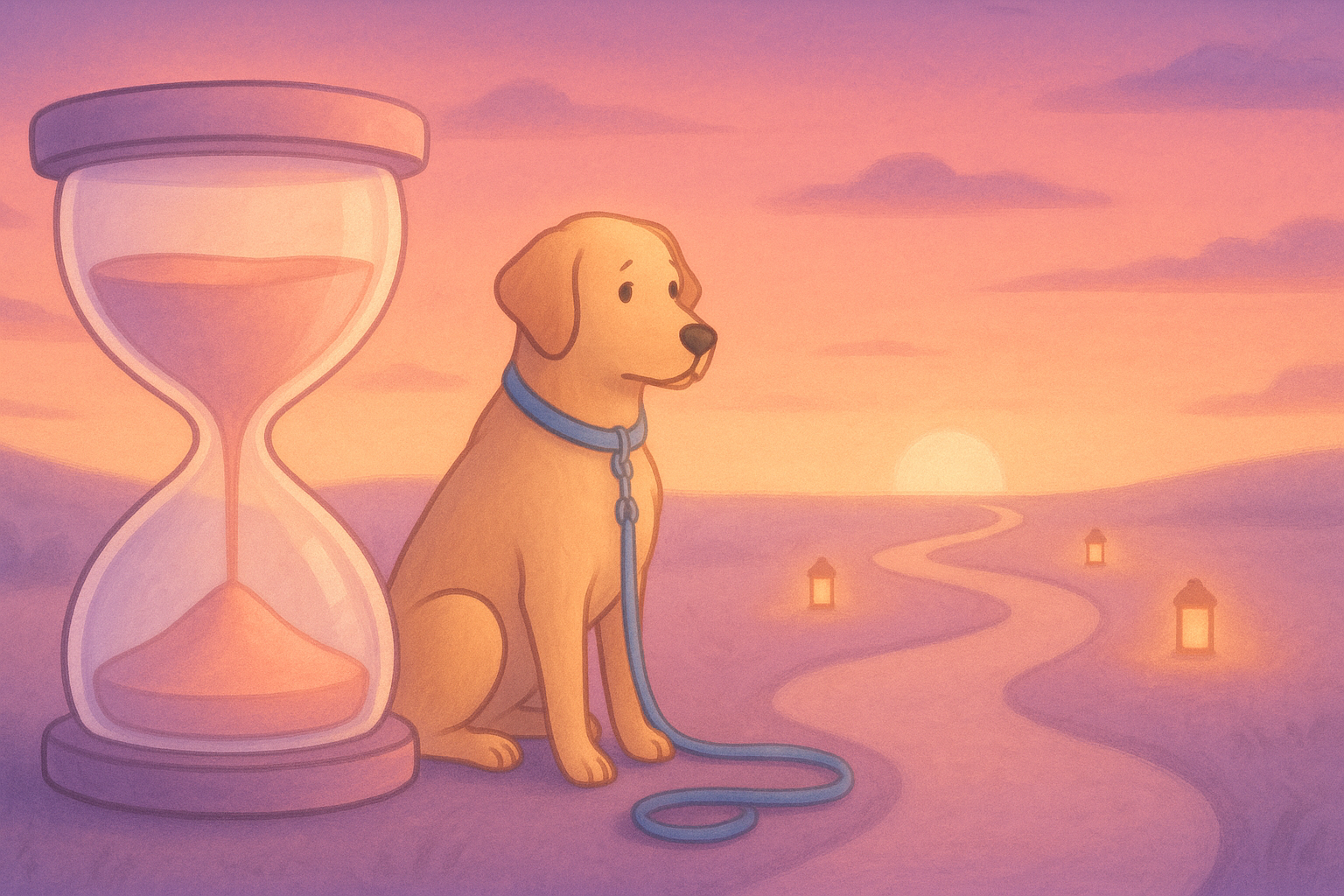
Identifying the Signs of Separation Anxiety
Recognizing the signs of separation anxiety is crucial in implementing effective training strategies. Some common indicators include:
Excessive Barking or Howling: Dogs with separation anxiety may bark or howl persistently when left alone.
Destructive Chewing or Digging: Your dog may chew furniture or dig at doors in an attempt to escape or release anxiety.
House Soiling: Anxious dogs might urinate or defecate indoors, even if they are otherwise house-trained.
Pacing or Restlessness: Some dogs may pace in a fixed pattern, showcasing their unease.
Effective Training Strategies
Once you’ve identified the signs, it’s time to implement training strategies that can help reduce anxiety. Here are some effective methods:
Gradual Desensitization
Start by leaving your dog alone for short periods and gradually increase the duration. This helps your dog adjust to being alone without panicking. Begin with just a few minutes and slowly work up to longer intervals.
Establish a Routine
Dogs thrive on routine. Establishing a consistent schedule for feeding, walks, and alone time can provide a sense of security and predictability, reducing anxiety.
Positive Reinforcement
Use treats, toys, and praise to reward calm behavior when you leave and return home. This helps your dog associate your departures and arrivals with positive experiences.
Solutions to Ease Anxiety
In addition to training, there are several solutions that can help ease your dog’s anxiety:
Interactive Toys and Puzzles
Keep your dog mentally stimulated with interactive toys and puzzles. These can distract them from their anxiety and provide a fun challenge.
Comforting Environment
Create a comfortable and secure space for your dog. A cozy bed, their favorite toys, and a piece of your clothing with your scent can provide comfort.
Calming Products
Consider using calming products such as pheromone diffusers, anxiety wraps, or natural supplements. These products can have a soothing effect on your dog.
When to Seek Professional Help
Sometimes, despite your best efforts, your dog’s anxiety may persist. In such cases, it’s important to seek professional help. A veterinarian or a certified dog trainer specializing in anxiety can offer additional guidance and support. They may recommend behavior modification techniques or medications if necessary.
FAQs
Q: How long does it take to train a dog with separation anxiety?
A: Training a dog with separation anxiety requires patience and consistency. The time it takes can vary depending on the dog’s individual needs and the severity of anxiety. It could take weeks or even months to see significant improvement.
Q: Can all dogs with separation anxiety be trained?
A: While most dogs can benefit from training, some may require professional intervention. Severe cases might need a combination of training, behavior modification, and possibly medication.
Q: Is it okay to crate a dog with separation anxiety?
A: Crates can provide a sense of security for some dogs, but they may increase anxiety in others. It’s essential to assess your dog’s comfort with a crate and consult with a professional if unsure.
Conclusion
Dealing with a dog who has separation anxiety can be challenging, but with the right strategies and solutions, it’s possible to alleviate their distress. By understanding the signs, implementing effective training, and creating a comforting environment, you can help your furry friend feel more secure and content when alone. Remember, patience and consistency are key, and don’t hesitate to seek professional help if needed. Your loyal companion will thank you for your love and support! 🐶❤️