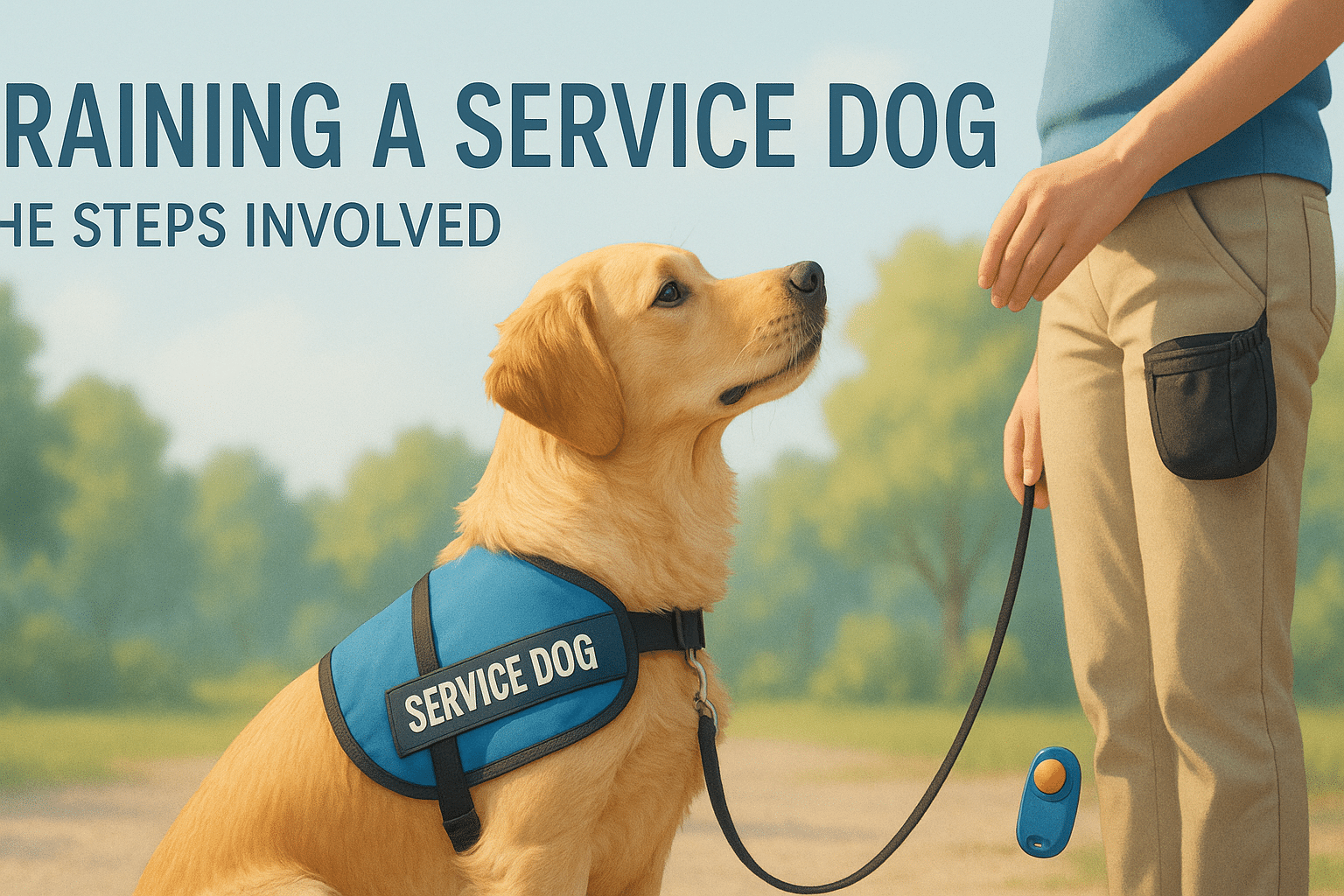
Training a Service Dog: The Steps Involved
Service dogs play a crucial role in assisting individuals with disabilities, offering them greater independence and companionship. Training these remarkable animals involves patience, dedication, and a structured approach. If you’re curious about how to train a service dog, this comprehensive guide will walk you through the essential steps involved in the process. 🐕🦺
Table of Contents
1. Introduction to Service Dog Training
2. Selecting the Right Dog
3. Basic Obedience Training
4. Specialized Task Training
5. Public Access Training
6. Certification and Legal Considerations
7. Conclusion
8. FAQs
Introduction to Service Dog Training
Training a service dog is an enriching but challenging journey. It’s not just about teaching commands; it’s about building a partnership based on trust and understanding. This blog post will guide you through each step, offering insights and tips to help you and your furry companion succeed.
Selecting the Right Dog
The first step in training a service dog is selecting the right candidate. Not every dog is suited for service work; the ideal candidate should have a calm temperament, a willingness to learn, and a strong bond with their handler. Breeds like Labrador Retrievers, Golden Retrievers, and German Shepherds are popular choices due to their intelligence and eagerness to please.
It’s essential to evaluate the dog’s health, behavior, and aptitude before beginning the training. A professional assessment can help ensure that the dog has what it takes to be an effective service animal.
Basic Obedience Training
Before diving into specialized tasks, a service dog must master basic obedience training. This includes commands such as sit, stay, come, and heel. Consistency is key during this phase, as it lays the foundation for more advanced skills.
Training sessions should be short but frequent, using positive reinforcement techniques like treats and praise to encourage good behavior. Remember, patience and repetition are your best friends during this stage. 🐾
Specialized Task Training
Once basic obedience is established, it’s time to focus on specialized tasks tailored to the handler’s needs. This might include retrieving items, opening doors, or even detecting medical conditions like seizures or low blood sugar.
Each task requires a step-by-step approach, breaking down the task into manageable parts and gradually building up to the complete action. It’s crucial to maintain a positive and supportive environment to keep the dog motivated and engaged.
Public Access Training
Service dogs must be well-behaved in various public settings to ensure they can perform their duties effectively. Public access training involves exposing the dog to different environments such as stores, restaurants, and public transportation.
The goal is to ensure the dog remains focused on their handler, ignoring distractions and behaving appropriately at all times. Practice makes perfect, so regular outings are essential to build confidence and reliability in public settings.
Certification and Legal Considerations
While the U.S. does not require service dogs to be certified, having documentation can be beneficial, especially when encountering skeptical business owners or the public. It’s important to understand the legal rights and responsibilities that come with having a service dog, as outlined by the Americans with Disabilities Act (ADA).
Familiarize yourself with local laws and regulations, and ensure that your service dog wears proper identification, such as a vest or ID card, to help communicate their status.
Conclusion
Training a service dog is a rewarding journey that requires time, patience, and dedication. The bond you form with your dog is invaluable, and the skills they learn can significantly enhance the quality of life for their handler. By following these structured steps, you and your service dog can achieve a harmonious and effective partnership. 🐶❤️
FAQs
Q: How long does it take to train a service dog?
A: Training a service dog typically takes 1 to 2 years, depending on the dog’s age, temperament, and the complexity of the tasks they need to learn.
Q: Can I train my own service dog?
A: Yes, individuals can train their own service dogs. However, it’s often beneficial to seek guidance from professional trainers to ensure the dog meets the required standards.
Q: What breeds are best for service dogs?
A: Breeds known for their intelligence, temperament, and trainability, such as Labrador Retrievers, Golden Retrievers, and German Shepherds, are commonly used as service dogs.
Q: Are service dogs allowed everywhere?
A: Under the ADA, service dogs are permitted in all public areas, including restaurants, hotels, and public transit, to accommodate their handler’s needs.
Embarking on the journey of training a service dog is a significant commitment, but one that’s filled with endless rewards. With love, patience, and dedication, you’ll soon have a loyal companion ready to make a difference in someone’s life. 🌟