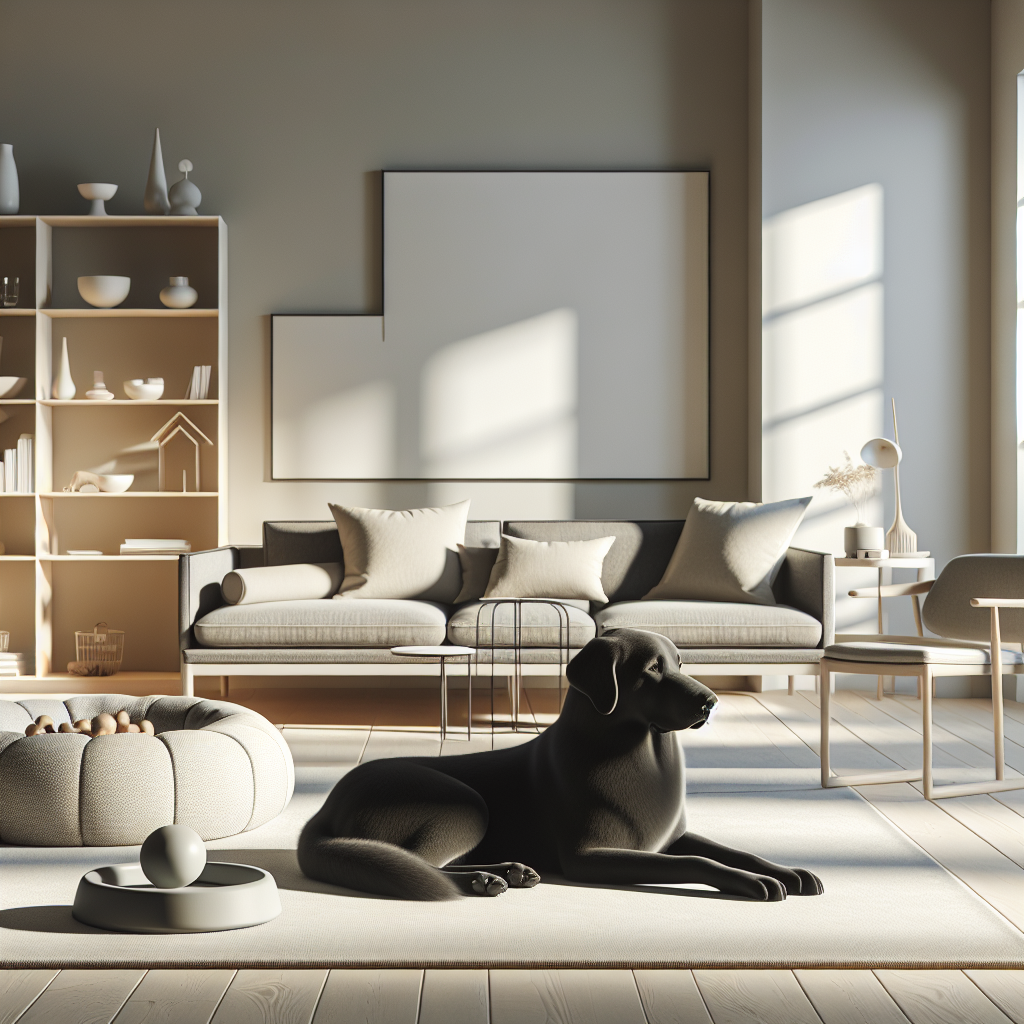
Training Your Dog for a Minimalist Lifestyle: A Comprehensive Guide
As minimalism continues to grow in popularity, pet owners are beginning to wonder how they can incorporate their furry friends into this lifestyle. Training your dog for a minimalist lifestyle not only benefits you but also enriches your dog’s life by reducing stress and focusing on the essentials. 🐶✨ In this blog post, we’ll explore practical tips and strategies to help you and your pup embrace minimalism together.
Table of Contents
1. Introduction
2. Understanding Minimalism for Dogs
3. Simplifying Your Dog’s Environment
4. Streamlining Training and Routine
5. Minimalist Diet and Health
6. Quality Over Quantity in Toys
7. Conclusion
8. FAQs
Introduction
Minimalism is often associated with decluttering and living with less, but it’s much more than that. It’s about making room for what’s truly important. For dog owners, this means focusing on quality interactions, healthy routines, and essential items that contribute to a dog’s well-being. Let’s dive into how you can train your dog to thrive in a minimalist lifestyle.
Understanding Minimalism for Dogs
Before you start implementing minimalist principles with your dog, it’s important to understand what minimalism means in this context. Minimalism for dogs isn’t about depriving them of toys or experiences but rather about choosing meaningful experiences and items that enrich their lives. 🐾
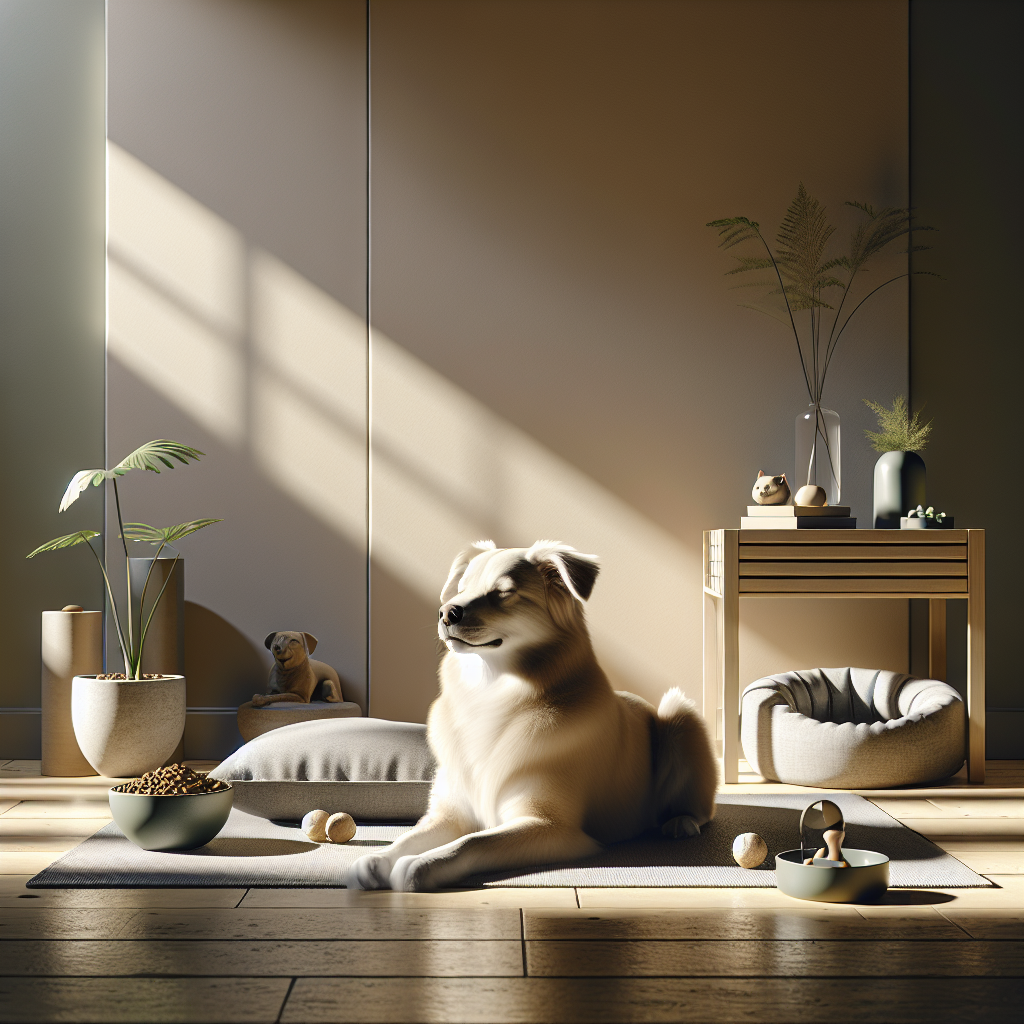
By focusing on quality over quantity, you’ll help your dog live a stress-free, fulfilling life. This approach encourages you to evaluate what truly matters in your dog’s life and eliminate the rest.
Simplifying Your Dog’s Environment
A cluttered environment can be overwhelming for both you and your dog. Start by assessing your dog’s living area. Are there too many toys scattered around? Is their bed surrounded by unnecessary items?
Consider these steps to simplify your dog’s environment:
Minimize Toys: Keep a few high-quality toys that your dog loves and regularly rotates them to maintain interest.
Organize Feeding Areas: Keep food and water bowls in a designated spot away from foot traffic.
Create a Calm Sleeping Area: Ensure your dog’s bed is in a quiet, comfortable spot away from household noise.
Streamlining Training and Routine
Training is a significant part of your dog’s life, and a minimalist approach can simplify this process. Focus on essential commands that ensure safety and good behavior.
Essential Commands: Prioritize commands like “sit,” “stay,” “come,” and “leave it.” These are crucial for safety and effective communication.
Consistent Routine: Establish a simple, consistent daily routine that includes feeding, bathroom breaks, and exercise. Dogs thrive on predictability.
Mindful Walks: Instead of rushing through walks, take time to allow your dog to sniff and explore. This enriches their sensory experiences.
Minimalist Diet and Health
Feeding your dog a minimalist diet doesn’t mean skimping on nutrition. Instead, focus on high-quality, well-balanced meals that provide all the necessary nutrients.
High-Quality Food: Opt for dog food with wholesome ingredients and avoid fillers and artificial additives.
Treats with Purpose: Use treats sparingly and choose ones that also offer health benefits, like dental chews.
Regular Check-Ups: Routine vet visits ensure your dog stays healthy, preventing the need for unnecessary treatments.
Quality Over Quantity in Toys
When it comes to toys, a minimalist approach means selecting a few high-quality items that provide engagement and mental stimulation. 🧩
Interactive Toys: Choose toys that challenge your dog’s mind, such as puzzle toys or treat dispensers.
Durable Materials: Invest in well-made toys that withstand wear and tear, reducing the need for frequent replacements.
By focusing on a few favorite toys, you reduce clutter and ensure your dog gets the most out of playtime.
Conclusion
Training your dog for a minimalist lifestyle is about embracing simplicity and focusing on what truly matters. By decluttering your dog’s environment, streamlining their routine, and prioritizing quality in their diet and toys, you create a more enriching life for your furry friend. 🐕❤️
Remember, minimalism is a journey, not a destination. Start small, make adjustments that suit your dog’s needs, and enjoy the benefits of a simpler, more meaningful life together.
FAQs
Q: Can all dogs adapt to a minimalist lifestyle?
A: Yes, all dogs can benefit from minimalism with adjustments tailored to their individual needs and personalities.
Q: How do I know if I have too many toys for my dog?
A: If toys are often left unused or cause clutter, consider reducing to a few favorites and rotating them regularly.
Q: Is a minimalist diet safe for my dog?
A: A minimalist diet focuses on quality ingredients. Ensure it meets your dog’s nutritional needs and consult a vet if unsure.
Embrace minimalism and discover a happier, healthier life for you and your dog. 🐾