Training Your Dog for a New Baby in the House
Welcoming a new baby into your home is a joyous occasion, but it can also bring about significant changes, especially for your furry family members. Dogs, known for their curious and affectionate nature, may find this transition challenging. To ensure a harmonious household, it’s essential to prepare your dog for the arrival of your little one. In this guide, we’ll explore effective strategies to help your dog adjust to a new baby, fostering a safe and happy environment for everyone. 🐶👶
Table of Contents
1. Understanding Your Dog’s Perspective
2. Establishing Routines
3. Introducing Baby Sounds and Smells
4. Creating Safe Spaces
5. Supervised Interactions
6. Positive Reinforcement Techniques
7. Conclusion
8. FAQs
Understanding Your Dog’s Perspective
Before diving into training techniques, it’s crucial to step into your dog’s paws and understand their perspective. Dogs are creatures of habit, relying on consistent routines for comfort and security. The introduction of a baby can disrupt their world, leading to anxiety or confusion. By acknowledging their feelings, you can better address their needs and ease the transition. 🐾
Establishing Routines
Consistency is key in helping your dog adjust to changes. Begin by gradually introducing new routines before the baby arrives. If feeding or walk times will change, start adjusting them now. Consistent schedules provide predictability, reducing stress for your dog. Additionally, designate specific times for play and cuddles, ensuring your pet still feels loved and attended to. 🕒
Introducing Baby Sounds and Smells
Before the baby comes home, familiarize your dog with common baby sounds like crying, cooing, and laughter. You can find recordings online or use a baby doll to simulate these sounds. Pair these noises with treats and positive reinforcement to create a positive association. Similarly, introduce baby lotions or powders to help your dog acclimate to new scents. 🍼👃
Creating Safe Spaces
Designate a safe, quiet area where your dog can retreat when they need a break from the baby. This space should be equipped with their bed, toys, and water. It’s essential for your dog to have a sanctuary where they can relax and feel secure, away from the hustle and bustle of a busy household. 🚪🏡
Supervised Interactions
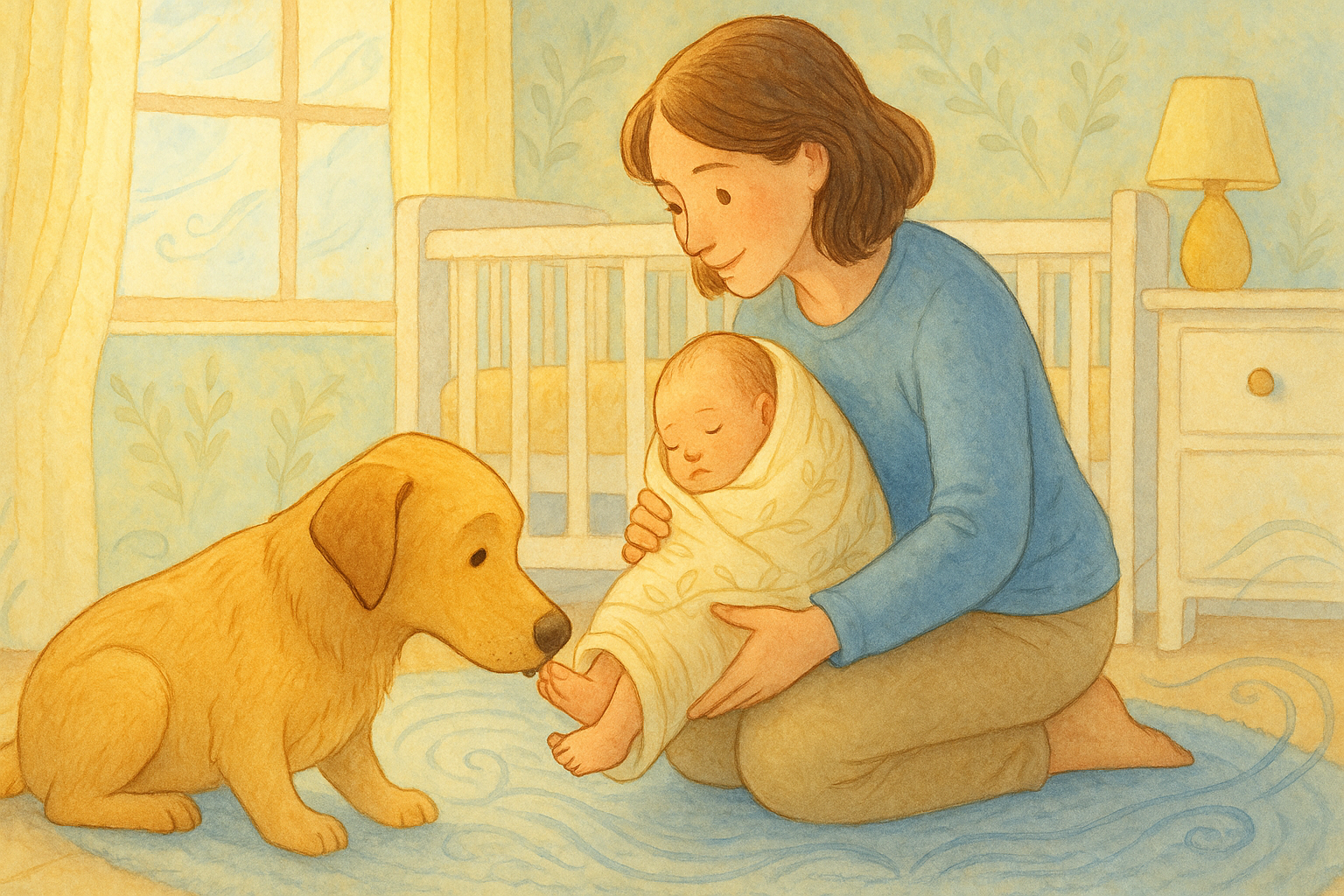
When the baby arrives, introduce them to your dog slowly and under supervision. Allow your dog to sniff the baby’s feet or hands while maintaining a safe distance. Use a calm, reassuring tone to communicate that the baby is a new family member. Over time, these supervised interactions will build trust and understanding between your dog and the baby. 👀👶🐾
Positive Reinforcement Techniques
Positive reinforcement is a powerful tool in training your dog. Reward your pet with treats, praise, or toys when they exhibit desired behaviors around the baby. This approach reinforces positive associations and encourages good behavior. Remember, patience and consistency are vital; training may take time, but the results are rewarding. 🎉🐕
Conclusion
Preparing your dog for a new baby requires time, patience, and understanding. By establishing routines, introducing new sounds and smells, creating safe spaces, and using positive reinforcement, you can ease the transition for your furry friend. With love and care, your dog and baby can become the best of friends, ensuring a harmonious and joyful household. 🏡❤️
FAQs
Q: How long does it take for a dog to adjust to a new baby?
A: Adjustment times vary depending on the dog’s temperament and previous experiences. It may take a few weeks to several months for a dog to fully adjust to the presence of a new baby.
Q: What if my dog shows signs of aggression towards the baby?
A: If your dog exhibits aggressive behavior, it’s crucial to seek professional help from a certified dog trainer or behaviorist. Never leave your dog and baby unsupervised until the issue is resolved.
Q: Can all dog breeds adjust to having a baby in the house?
A: While most dogs can adapt to a new baby with proper training and support, some breeds may require more attention and patience. Understanding your dog’s specific needs is essential for a smooth transition.