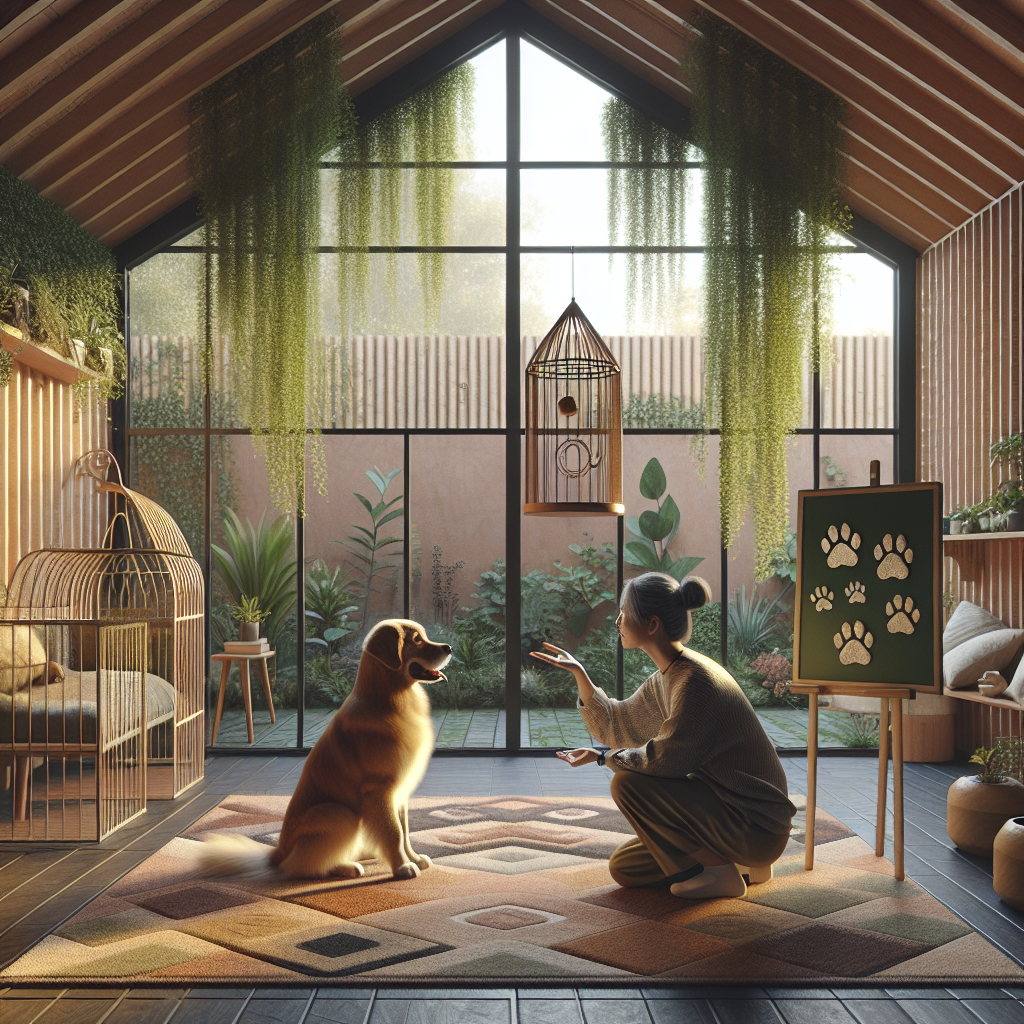
Training Your Dog for a Non-Traditional Home Environment
Welcoming a furry friend into your home is always an exciting journey. But what if your home isn’t the typical house with a fenced yard? From urban apartments to tiny homes, non-traditional living spaces can pose unique challenges for dog owners. This guide will help you navigate training your dog in these environments, ensuring a happy and harmonious coexistence. 🐶🏡
Table of Contents
1. Introduction
2. Understanding Your Non-Traditional Environment
3. Essential Training Tips for Apartment Living
4. Navigating Tiny Homes with Dogs
5. Adapting to RV Life and Travel
6. Conclusion
7. FAQs
Understanding Your Non-Traditional Environment
Living in a non-traditional home environment means adapting to space limitations and often unique settings. Whether you’re in a bustling city apartment, a cozy tiny home, or constantly on the move in an RV, each scenario requires a tailored approach to dog training.
Understanding the specifics of your living situation is the first step in training your dog effectively. Consider factors like space availability, noise levels, and the presence of other pets or neighbors. This understanding will guide you in creating a training plan that suits both your lifestyle and your dog’s needs.
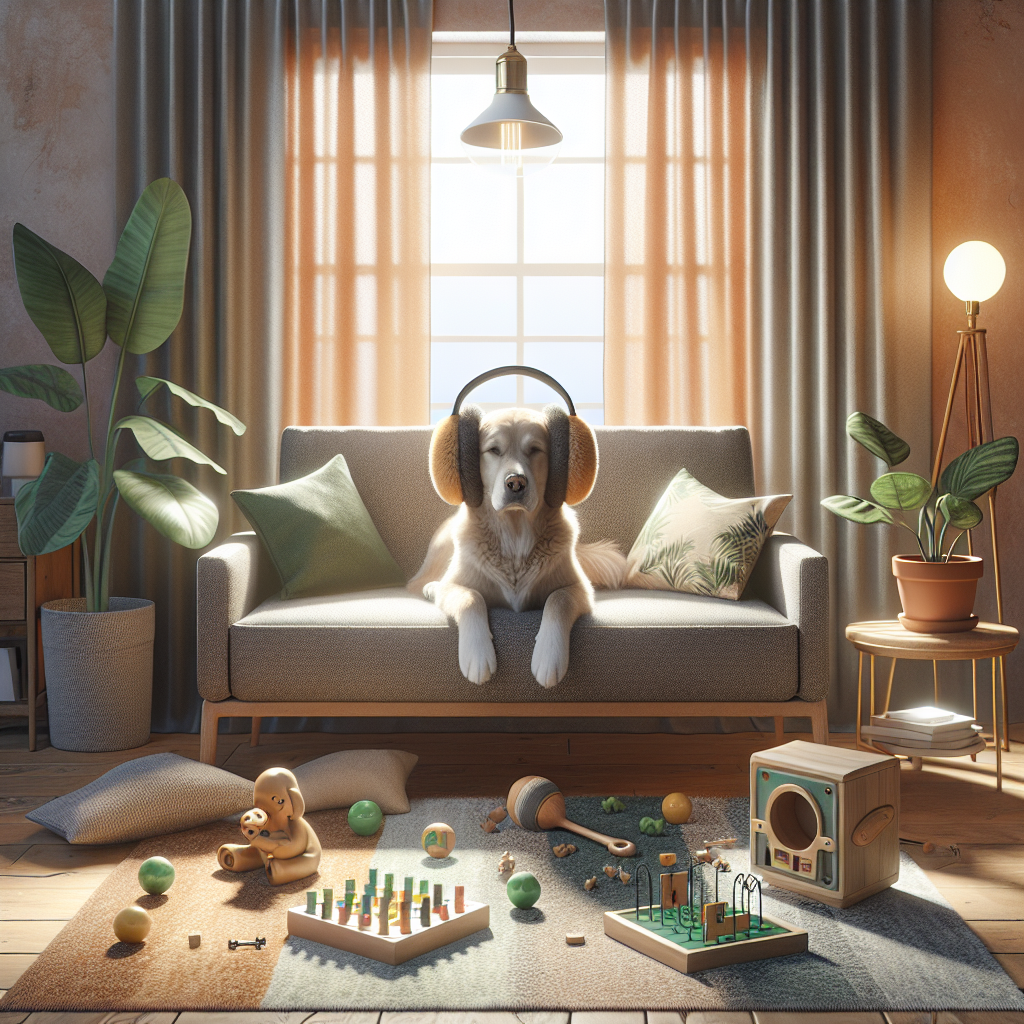
Essential Training Tips for Apartment Living
Apartment living comes with its own set of challenges, primarily limited space and noise constraints. Here are some key training tips for your apartment-dwelling pup:
1. Master the Art of Potty Training 🚽
In an apartment, potty training is crucial. Establish a consistent routine and make use of puppy pads or designate an outdoor potty area. Reward your dog for successful trips to reinforce good behavior.
2. Noise Management 🔇
Living in close quarters means noise management is vital. Train your dog to respond to “quiet” commands, and provide plenty of mental stimulation to reduce excessive barking. Interactive toys and puzzle feeders are excellent for keeping your dog occupied.
3. Exercise in Creative Ways 🏃♂️
Without a backyard, you’ll need to get creative with exercise. Regular walks, trips to the dog park, or even indoor games like fetch are essential to keep your dog physically and mentally fit.
Navigating Tiny Homes with Dogs
Tiny homes offer a minimalist lifestyle but can be tricky when it comes to accommodating your dog. Here’s how to make it work:
1. Utilize Vertical Space 🏗️
Maximize your living area by utilizing vertical space. Install shelves or platforms where your dog can lounge or explore safely. This not only provides them with more room but also satisfies their curiosity.
2. Set Clear Boundaries 🚧
In tight spaces, boundaries are important. Use cues and commands to designate areas for play, sleep, and meals. This helps reduce chaos and creates a structured environment for your pet.
3. Consistent Routine 🕒
A consistent routine brings a sense of security to your dog. Regular feeding, playtime, and rest periods in a small space make adapting to a tiny home much smoother.
Adapting to RV Life and Travel
Traveling full-time in an RV offers a sense of freedom but requires flexible training techniques:
1. Familiarity with the Vehicle 🚐
Before embarking on long journeys, acclimate your dog to the RV. Spend time parked in the driveway, allowing them to explore and get comfortable with the space.
2. Safe Travel Practices 🏞️
Ensure your dog’s safety by using travel crates or harnesses while on the move. Regular breaks during travel are essential for exercise and bathroom needs.
3. Adaptability to New Environments 🌎
Frequent travel means exposure to new environments. Socialization is key—introduce your dog to various settings and people to build their confidence and adaptability.
Conclusion
Training your dog in a non-traditional home environment might seem daunting, but with understanding and creativity, it’s entirely achievable. By considering your specific living conditions and tailoring your training approach, you can ensure a comfortable and enriching life for your furry companion. Remember, patience and consistency are your best allies in this journey. 🐕❤️
FAQs
1. Can any dog breed adapt to a non-traditional home environment?
Yes, with the right training and care, most dog breeds can adapt to various living situations. However, some breeds may have specific needs that require additional consideration.
2. How can I keep my dog entertained in a small space?
Utilize interactive toys, puzzle games, and regular play sessions to keep your dog mentally stimulated. Rotating toys can also prevent boredom.
3. What should I do if my dog struggles with noise in an apartment?
Consider training techniques to desensitize them to common noises, and provide a quiet, safe space where they can retreat when feeling overwhelmed.
Training your dog for a non-traditional home environment is a rewarding experience that strengthens your bond. Embrace the journey with patience, creativity, and love. 🌟🐾