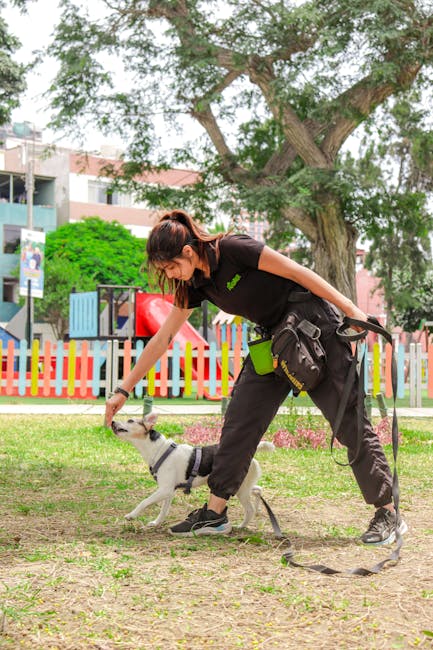
Training Your Dog to Be Off-Leash: Safety Tips
Walking your dog off-leash can be a liberating experience for both you and your furry friend. It’s a chance for them to roam freely and explore their surroundings, while you enjoy a more relaxed walk. However, it also comes with its own set of challenges and responsibilities. In this guide, we’ll explore essential safety tips for training your dog to be off-leash, ensuring a safe and enjoyable experience for both of you. 🐾
Table of Contents
1. Introduction
2. Understanding Off-Leash Training
3. Safety Tips for Off-Leash Training
4. Choosing the Right Environment
5. Essential Commands for Off-Leash Training
6. The Importance of Recall
7. Conclusion
8. FAQs
Understanding Off-Leash Training
Off-leash training is not just about letting your dog roam free without a leash. It’s about ensuring that your dog is well-behaved and responsive to your commands even when there is no physical restraint. This type of training requires patience, consistency, and a strong bond between you and your pet. Start with basic obedience training and gradually work your way up to off-leash exercises.
Safety Tips for Off-Leash Training
Before you venture out with your dog off-leash, it’s crucial to prioritize safety. Here are some tips to help you get started:
1. Ensure Proper Identification: Always make sure your dog is wearing a collar with an ID tag. Microchipping is another excellent way to ensure your dog can be identified if they get lost.
2. Start in a Safe, Controlled Environment: Begin training in a fenced area or a secure dog park where you can control the environment and minimize distractions.
3. Use Positive Reinforcement: Reward your dog with treats, praise, or play for good behavior. Positive reinforcement helps build a strong bond and encourages your dog to listen to your commands.
Choosing the Right Environment
Choosing the right environment is critical for successful off-leash training. Here are a few things to consider:
1. Avoid High-Traffic Areas: Roads, busy parks, and areas with lots of people or other animals can be overwhelming and dangerous for an untrained off-leash dog.
2. Check for Hazards: Before letting your dog off-leash, scan the area for potential hazards like broken glass, sharp objects, or toxic plants.
3. Consider the Time of Day: Early mornings or late evenings are often quieter, providing a better environment for off-leash training.
Essential Commands for Off-Leash Training
Your dog must be responsive to several key commands before going off-leash:
1. Sit and Stay: These basic commands help manage your dog’s movement and keep them safe in potentially dangerous situations.
2. Come: This is perhaps the most crucial command for off-leash training. Your dog should immediately return to you when called.
3. Leave It: Train your dog to ignore distractions like food, animals, or other tempting objects.
The Importance of Recall
Recall is the ability of your dog to return to you promptly when called. This skill is vital for off-leash safety. Here’s how you can improve your dog’s recall:
1. Start with Short Distances: Begin training recall in a small, contained area. Gradually increase the distance as your dog becomes more reliable.
2. Use a Long Line: A long leash can help transition from on-leash to off-leash training, giving your dog more freedom while you maintain control.
3. Practice Regularly: Consistency is key. Practice recall daily to reinforce the behavior.
Conclusion
Training your dog to be off-leash is a rewarding experience that can enhance your bond and provide your dog with the freedom to explore. By following these safety tips and ensuring your dog is well-trained, you can enjoy off-leash adventures while keeping your pet safe. Remember, patience and consistency are your best allies in this journey. Happy training! 🐶
FAQs
Q: At what age can I start off-leash training my dog?
A: It’s best to start basic obedience training as early as possible, usually around 8 weeks old. Off-leash training can begin once your dog has mastered basic commands and has a reliable recall.
Q: What if my dog doesn’t return when called?
A: If your dog struggles with recall, revisit training with a focus on positive reinforcement. Consider using a long line to practice recall in a controlled manner.
Q: Are certain breeds better suited for off-leash training?
A: While any breed can be trained to be off-leash, some breeds with strong prey drives or independent natures may require extra training and patience.
Training your dog to be off-leash is not just about freedom; it’s about fostering trust and communication between you and your canine companion. With the right approach, you can enjoy many safe off-leash adventures together. 🌟