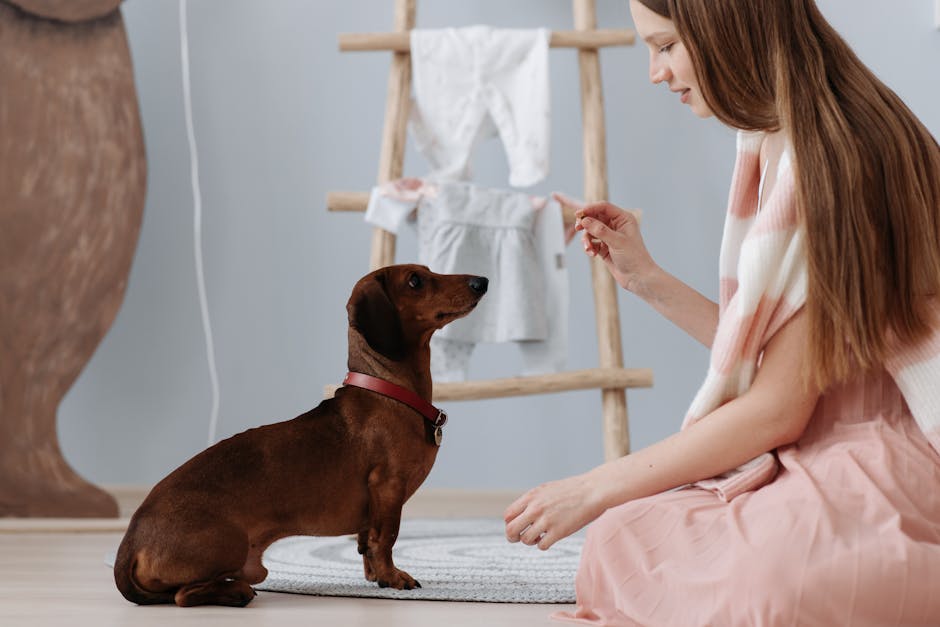
Training Your Dog to Stay Calm Around Strangers
Dogs are often known as man’s best friend, but for some, the presence of strangers can bring out anxiety and excitement in our furry companions. Whether you’re out for a walk, hosting guests at home, or visiting a crowded park, it’s essential for your dog to remain calm and composed. This not only ensures their safety but also provides peace of mind for you and those around you.
In this comprehensive guide, we will explore effective strategies and techniques for training your dog to stay calm around strangers. From understanding your dog’s behavior to implementing practical training exercises, we’ve got you covered!
Understanding Canine Behavior
Before diving into training techniques, it’s crucial to understand why dogs react to strangers the way they do. Understanding the root causes can help tailor the training process to your dog’s specific needs.
The Instinctual Roots
Dogs are naturally territorial creatures. According to a study published in the Journal of Canine Studies, around 40% of dogs exhibit territorial behaviors when encountering strangers, stemming from their ancestors’ need to protect resources.
Additionally, socialization plays a significant role. Dogs that haven’t been exposed to various people in their formative months may develop anxiety or fear-based reactions to unfamiliar faces and scents.
Steps to Train Your Dog to Stay Calm
Training your dog to remain calm around strangers is a gradual process. Here are some actionable steps you can take:
1. Start with Socialization
Begin socialization from a young age. Introduce your puppy to different people, environments, and experiences gradually. If your dog is older, don’t worry; it’s never too late to start. Use treats and positive reinforcement to create a positive association with new experiences.
According to the Animal Behavior College, consistent socialization can reduce anxiety-related behaviors by 30% in adult dogs.
2. Teach Basic Commands
Commands like “sit,” “stay,” and “leave it” can be invaluable when managing your dog’s behavior around strangers. Begin training in a quiet environment without distractions and gradually introduce more challenging situations.
For instance, if your dog tends to jump on people, teaching them to “sit” when greeting someone can redirect their energy into a positive behavior.
3. Gradual Desensitization
Desensitization involves exposing your dog to the stimulus (in this case, strangers) in a controlled manner. Start by introducing your dog to a stranger from a distance they’re comfortable with, then gradually decrease the distance over time.
Reward calm behavior with treats and praise. If your dog shows signs of stress or anxiety, increase the distance and proceed more slowly.
4. Use Positive Reinforcement
Reward your dog for calm behavior around strangers. This can include giving treats, verbal praise, or affection. Positive reinforcement is a powerful tool that encourages the repetition of desired behaviors.
A study highlighted by the Psychology Today website found that dogs trained with positive reinforcement were 20% more likely to exhibit consistent obedience compared to those trained with aversive methods.
5. Implement Controlled Exposure
Organize controlled meetings with strangers. Invite friends or family members over and instruct them on how to interact with your dog. This could include ignoring the dog until it’s calm or offering treats for calm behavior.
This practice helps your dog learn that new people are not a threat and that calmness results in rewards.
Signs of Stress in Dogs
Recognizing the signs of stress in your dog is crucial to understanding when to push forward with training and when to take a step back.
Common Signs
Signs of stress can include panting, pacing, whining, or excessive barking. More subtle signs may include yawning, lip licking, or turning away from the stranger.
If you notice these signs, it might be beneficial to create a more comfortable distance between your dog and the stranger.
Conclusion: Patience and Consistency are Key
Training your dog to stay calm around strangers is a journey that requires patience, consistency, and understanding. By utilizing the techniques outlined in this guide, you can help your dog become more confident and relaxed in a variety of social situations.
Remember, every dog is unique, and the time it takes to achieve calmness around strangers can vary. Celebrate small victories along the way, and don’t hesitate to seek the help of a professional dog trainer if needed.
With perseverance and a positive approach, you and your dog can enjoy stress-free interactions with strangers, enriching both your lives.
EntirelyPets – Discount pet medications, pet supplies & more – Click Here!