Understanding Different Dog Training Methods
Training your dog can be both a rewarding and challenging experience. With so many methods available, it can be overwhelming to decide which approach is best for you and your furry friend. In this blog post, we’ll explore various dog training techniques to help you make an informed decision.
Table of Contents
- Positive Reinforcement 🐾
- Clicker Training 🎯
- E-Collar Training ⚡
- Relationship-Based Training ❤️
- Conclusion
- FAQ
Positive Reinforcement 🐾
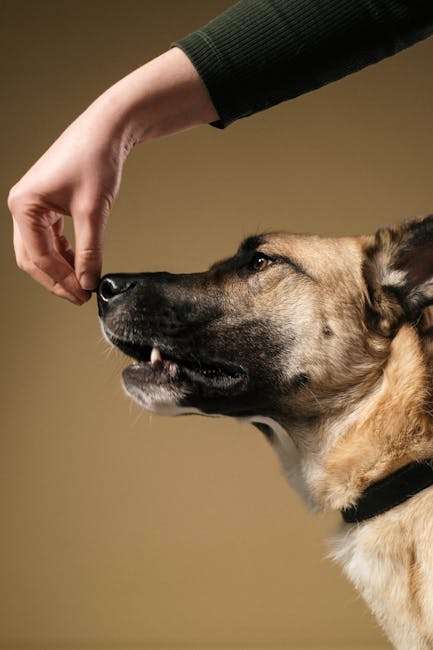
Positive reinforcement is one of the most popular and widely recommended dog training methods. This technique involves rewarding your dog with treats, praise, or toys when they perform a desired behavior. The underlying philosophy is simple: behaviors that are rewarded are more likely to be repeated.
For instance, if your dog sits on command, you immediately give them a treat or a cheerful “Good boy!” This reinforces the behavior and makes it more likely to occur in the future. This method is effective for teaching new commands and encouraging good behavior.
Clicker Training 🎯
Clicker training is a subset of positive reinforcement that uses a small device that makes a clicking sound. The clicker is used to mark the exact moment your dog performs the desired behavior. This sound acts as a bridge between the action and the reward.
To get started, you’ll need to “charge” the clicker by clicking and immediately giving your dog a treat. Soon, your dog will associate the sound with a positive outcome. This method is highly effective for teaching complex behaviors and tricks, as it provides clear communication between you and your dog.
E-Collar Training ⚡
E-collar or electronic collar training involves the use of a collar that delivers a small electric stimulation to gain your dog’s attention. This method can be controversial, but when used correctly and humanely, it can be an effective tool for off-leash training and correcting certain behaviors.
It’s crucial to receive proper training on how to use an e-collar safely and effectively. Many trainers recommend starting with the lowest setting and gradually increasing as needed. Understanding your dog’s sensitivity and staying consistent with commands are key to successful e-collar training.
Relationship-Based Training ❤️
Relationship-based training focuses on building a strong bond between you and your dog. This method emphasizes understanding your dog’s body language, emotions, and motivations. By fostering a trusting relationship, you can effectively communicate and address behavioral issues.
This approach often involves a mix of positive reinforcement and understanding the root cause of undesirable behaviors. It requires patience and observation, but the payoff is a deeper connection and a well-behaved companion.
Conclusion
Choosing the right training method for your dog depends on various factors, including your dog’s temperament, your personal beliefs, and your training goals. Whether you opt for positive reinforcement, clicker training, e-collar training, or relationship-based training, consistency and patience are key. Remember, every dog is unique, and what works for one might not work for another. Happy training! 🐶
FAQ
Q1: How do I know which training method is best for my dog?
A: Consider your dog’s personality, your training objectives, and which methods resonate with you. Consulting a professional trainer can also provide personalized guidance.
Q2: Can I combine different training methods?
A: Absolutely! Many dog owners find success in blending techniques, such as using clicker training alongside positive reinforcement.
Q3: Is e-collar training safe for all dogs?
A: E-collar training requires careful consideration and should be done under guidance. It’s not suitable for every dog, especially those with anxiety issues.
Q4: How long does it take to see results from dog training?
A: It varies depending on the dog and the method used. Consistent training sessions and patience are crucial to seeing progress.
Q5: What if my dog doesn’t respond to training?
A: If you’re struggling, consider seeking help from a professional trainer who can assess your dog’s behavior and offer tailored strategies.