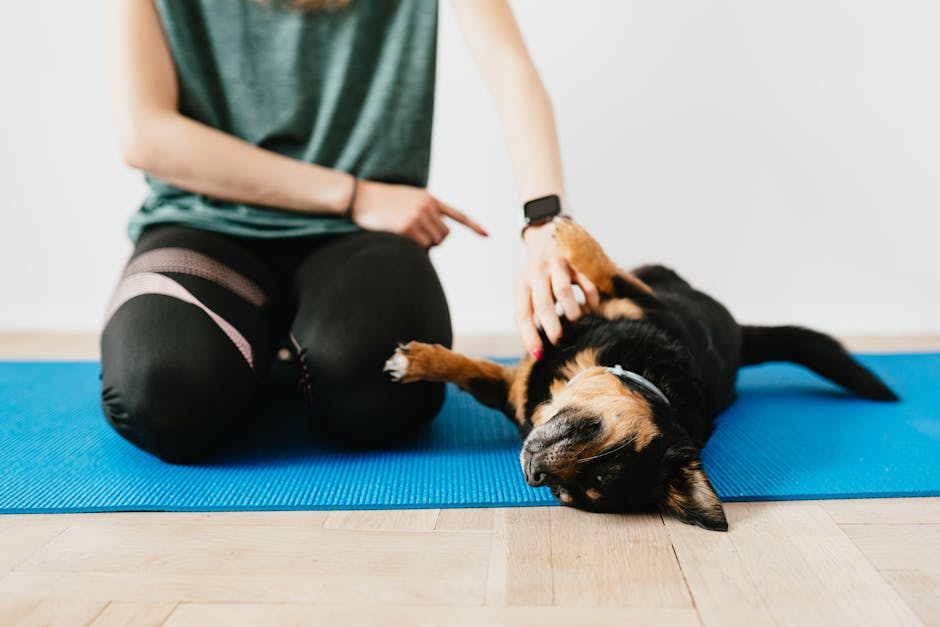
Dog training is more than just teaching your furry friend to sit and stay. It's about building a strong bond, fostering communication, and creating a harmonious relationship. Whether you have a rambunctious puppy or an older dog with ingrained habits, training can transform your canine companion into a well-adjusted and happy member of the family.
One of the most crucial aspects of dog training is consistency. Dogs thrive on routine and clear expectations. Using the same commands and rewarding desired behaviors consistently will help your dog understand what you expect. Avoid confusing your dog by changing commands or being inconsistent with rewards. This consistency will establish a foundation for successful training.
Positive reinforcement is a highly effective training method that focuses on rewarding desired behaviors. When your dog performs the desired action, immediately reward them with a treat, praise, or a favorite toy. This positive association encourages them to repeat the behavior. Avoid punishment-based training, as it can create fear and anxiety, damaging your relationship with your dog.
Start with basic obedience commands like sit, stay, come, and down. These commands are essential for everyday life and provide a solid base for more advanced training. Keep training sessions short and engaging to maintain your dog's focus. Dogs have short attention spans, so frequent, shorter sessions are more effective than long, drawn-out ones.
Socialization is a vital part of dog training, especially for puppies. Expose your dog to different people, places, and other dogs in a safe and controlled environment. This helps them develop appropriate social skills and reduces the likelihood of fear-based aggression or anxiety later in life. Proper socialization contributes to a well-rounded and confident dog.
Crate training can be a valuable tool for housebreaking and providing your dog with a safe and secure space. Introduce the crate gradually and make it a positive experience by associating it with treats and toys. Never use the crate as a punishment. A crate should be a haven for your dog, not a place of confinement.
If you're struggling with specific behavioral issues, consider seeking professional help from a certified dog trainer. A trainer can assess your dog's individual needs and develop a customized training plan. They can also provide guidance and support to help you implement the plan effectively. A professional trainer can be an invaluable resource.
Remember, dog training is an ongoing process. Even after your dog has mastered basic commands, continue to practice and reinforce good behavior. This will help solidify their training and ensure a long-lasting, harmonious relationship between you and your furry friend. Enjoy the journey of training and the bond you build with your dog.