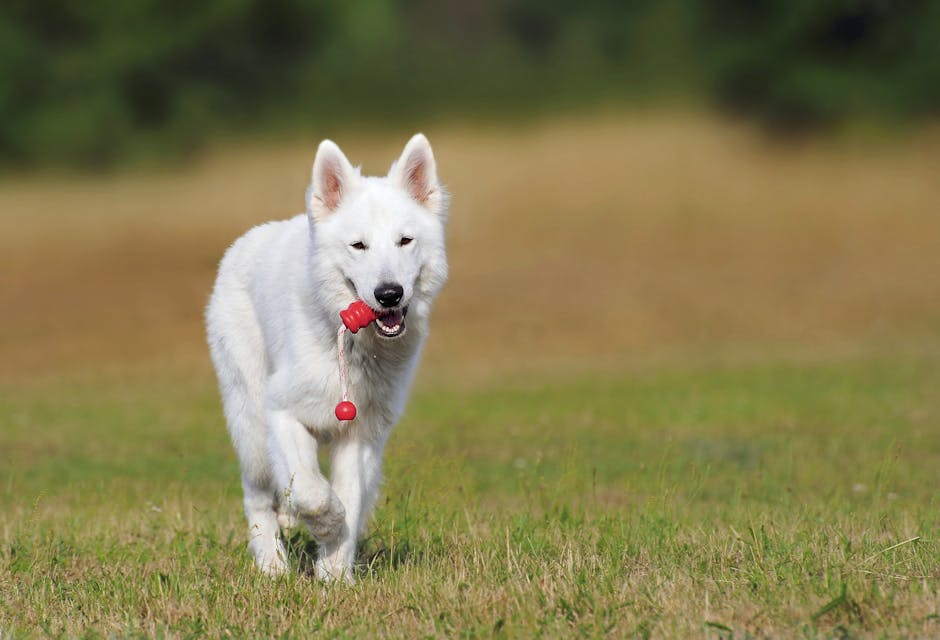
Dog training is often perceived as a challenging endeavor, filled with confusing commands and frustrating setbacks. However, with the right approach and a sprinkle of patience, it can transform into a rewarding experience for both you and your canine companion. This journey of understanding and connection not only strengthens your bond but also unlocks your dog's hidden potential, revealing a well-behaved and happy member of your family.
Before embarking on any training regimen, understanding your dog's unique personality and learning style is crucial. Just like humans, dogs have individual preferences and respond differently to various training methods. Observing your dog's behavior, identifying their motivations, and tailoring your approach accordingly will significantly enhance the effectiveness of your training sessions.
Positive reinforcement is the cornerstone of successful dog training. This method focuses on rewarding desired behaviors with treats, praise, or toys, creating a positive association with the action. Avoid punishment-based techniques, as these can instill fear and anxiety, hindering the learning process and potentially damaging your relationship with your dog.
Consistency is key when it comes to dog training. Establish clear rules and boundaries from the outset and enforce them consistently. Dogs thrive on routine and predictability, so maintaining a regular training schedule and using the same commands will help them understand what is expected of them.
Start with basic commands like "sit," "stay," and "come." These fundamental commands form the foundation for more advanced training and are essential for everyday life. Keep training sessions short and engaging, focusing on one command at a time to avoid overwhelming your dog.
Socialization plays a vital role in your dog's overall development. Exposing your dog to various environments, people, and other dogs from a young age helps them develop crucial social skills and adapt to different situations. This exposure reduces the likelihood of fear-based aggression and promotes a well-adjusted and confident canine companion.
Remember that patience is paramount throughout the training process. There will be moments of frustration and setbacks, but consistency and positive reinforcement will eventually yield positive results. Celebrate small victories and focus on the progress you and your dog are making together.
Dog training is not merely about teaching commands; it's about building a strong bond based on trust, understanding, and mutual respect. Embrace this journey as an opportunity to connect with your furry friend on a deeper level, unlocking their potential and fostering a lifelong companionship filled with love and joy.