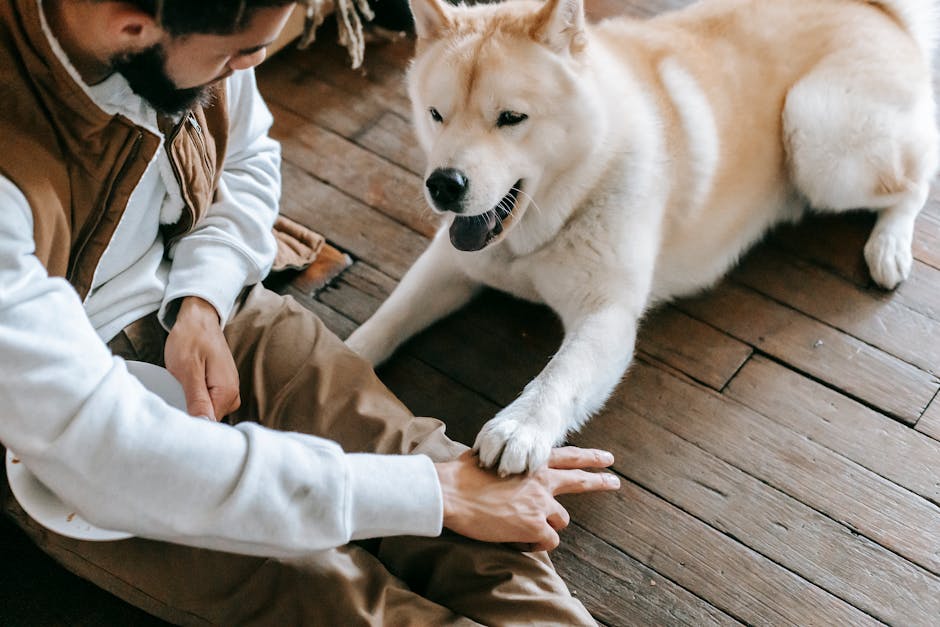
Dog training is a rewarding journey that strengthens the bond between you and your canine companion. Whether you have a rambunctious puppy or an older dog with ingrained habits, effective training techniques can transform your furry friend into a well-behaved and happy member of the family. This guide will explore various aspects of dog training, from basic obedience to addressing behavioral issues.
One of the foundational elements of dog training is establishing clear communication. Dogs don't understand human language in the same way we do, so it's essential to use consistent cues and body language they can comprehend. Positive reinforcement, such as rewarding desired behaviors with treats, praise, or toys, is a highly effective method. This approach encourages your dog to repeat good behaviors while building a positive association with training.
Consistency is key when it comes to dog training. Set clear rules and boundaries and enforce them consistently. Dogs thrive on routine and predictability, so maintaining a regular training schedule will help them understand expectations and accelerate their learning process. Short, frequent training sessions are generally more effective than long, infrequent ones, as they help maintain your dog's focus and prevent them from becoming overwhelmed.
Socialization plays a crucial role in a dog's development and overall well-being. Exposing your dog to various people, places, and situations from a young age helps them become well-adjusted and confident. Proper socialization can minimize the risk of behavioral problems like fear, aggression, or anxiety later in life. Enroll your puppy in puppy classes or arrange playdates with other friendly, vaccinated dogs.
Addressing behavioral issues requires patience, understanding, and a tailored approach. If your dog exhibits unwanted behaviors like excessive barking, chewing, or jumping, consult with a certified professional dog trainer or behaviorist. They can help you identify the underlying causes of the behavior and develop a personalized training plan to address them effectively.
Crate training can be a valuable tool for housebreaking and managing a dog's behavior. A crate provides a safe and secure den-like space for your dog and can help prevent destructive behaviors when you're not home. Introduce the crate gradually and make it a positive experience by associating it with treats and toys. Never use the crate as a form of punishment.
Beyond basic obedience, consider exploring more advanced training options like agility, scent work, or trick training. These activities provide mental and physical stimulation for your dog, further strengthening your bond and enriching their lives. Engaging in these activities can also help prevent boredom and reduce the likelihood of behavioral problems.
Dog training is an ongoing process that requires dedication and commitment. By investing time and effort in training your dog, you're not only teaching them good manners but also building a strong, loving relationship based on mutual respect and understanding. Enjoy the journey and celebrate the small victories along the way.