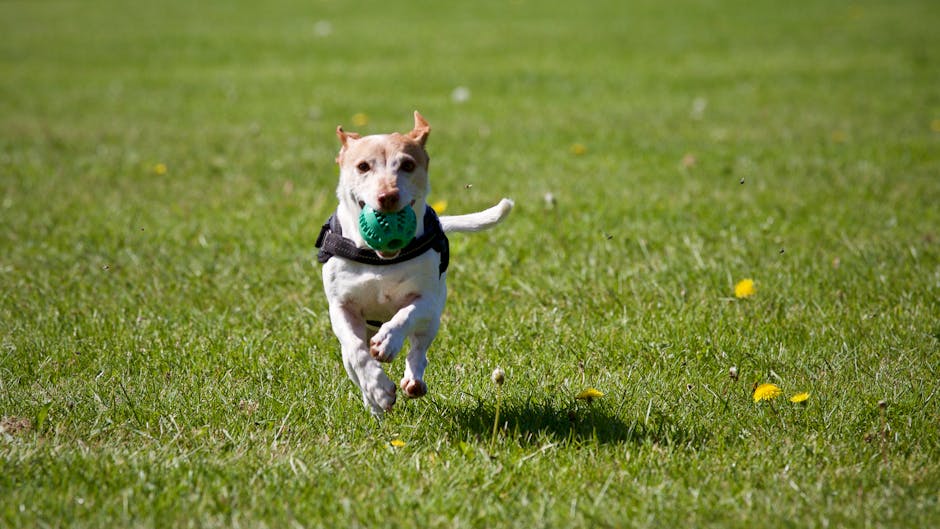
Dog training is often perceived as a daunting task, filled with complex commands and frustrating setbacks. However, it's a rewarding journey that strengthens the bond between you and your canine companion while also shaping them into well-adjusted members of society. With patience, consistency, and the right approach, you can unlock your dog's potential and enjoy a harmonious relationship for years to come.
One of the foundational elements of successful dog training is establishing clear communication. Dogs don't understand human language in the same way we do. Instead, they rely on body language, tone of voice, and consistent cues. Using positive reinforcement methods, such as rewarding desired behaviors with treats, praise, or toys, creates a positive learning experience for your dog. Avoid punishment-based training, as it can lead to fear and anxiety, ultimately hindering the learning process.
Consistency is key when it comes to dog training. Establish clear rules and boundaries from the start and enforce them consistently. This predictability helps your dog understand what is expected of them and reduces confusion. Regular training sessions, even short ones, are more effective than sporadic, lengthy sessions. Keep the sessions engaging and fun to maintain your dog's interest and motivation.
Start with basic commands like sit, stay, and come. These commands form the building blocks for more advanced training. Use clear and concise verbal cues paired with hand signals. Gradually increase the duration and complexity of the commands as your dog progresses. Remember to celebrate even the smallest successes to keep your dog encouraged.
Socialization is a crucial aspect of dog training that is often overlooked. Exposing your dog to different environments, people, and other dogs from a young age helps them develop appropriate social skills and reduces the likelihood of behavioral issues later on. Controlled and supervised interactions in dog parks, obedience classes, or even casual walks in busy areas can significantly contribute to your dog's overall well-being.
Addressing problem behaviors requires patience and understanding. Identify the underlying cause of the behavior, whether it's fear, anxiety, or lack of proper training. Consult with a professional dog trainer or veterinarian if you're struggling to manage the behavior on your own. They can provide tailored guidance and support to address specific challenges.
Crate training can be a valuable tool for housebreaking and providing a safe space for your dog. Introduce the crate gradually and make it a positive experience by associating it with treats and toys. Never use the crate as a form of punishment. A properly sized crate should be large enough for your dog to stand, turn around, and lie down comfortably.
The journey of dog training is an ongoing process, not a destination. Even after mastering basic commands, continue to engage your dog in new activities and challenges. This keeps their minds sharp, strengthens your bond, and ensures a happy and well-behaved companion for years to come.