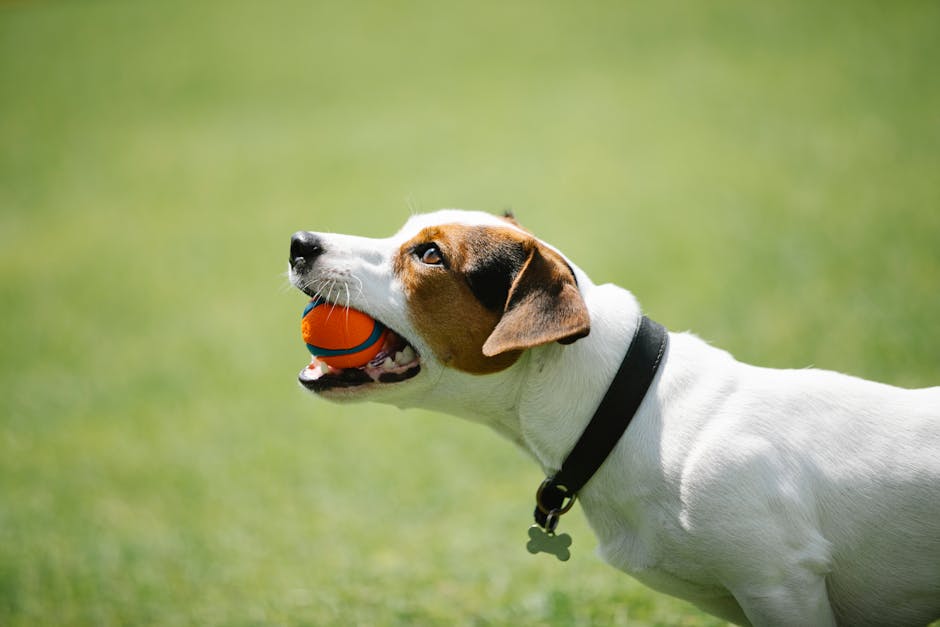
Dog training is often perceived as a daunting task, filled with complex commands and frustrating setbacks. However, it's a rewarding journey that strengthens the bond between you and your furry friend, fostering communication, understanding, and a harmonious life together. With the right approach and a dash of patience, you can unlock your dog's potential and transform them into a well-behaved companion.
The foundation of successful dog training lies in understanding canine communication. Dogs communicate through body language, vocalizations, and scent, and learning to interpret these signals is crucial. Observe your dog's posture, tail wags, ear positions, and even the subtle nuances of their barks and whines. This understanding will allow you to anticipate their needs and respond effectively, fostering trust and cooperation.
Positive reinforcement is the cornerstone of modern dog training. Rewarding desired behaviors with treats, praise, or toys creates a positive association, making your dog more likely to repeat those actions. Consistency is key – reward immediately after the desired behavior to solidify the connection. Avoid punishment, as it can create fear and anxiety, hindering the learning process.
Start with basic obedience commands like sit, stay, come, and down. Keep training sessions short and engaging, focusing on one command at a time. Use clear and concise verbal cues, paired with hand signals, to guide your dog. As your dog masters these commands, gradually introduce more complex ones, building upon their existing knowledge.
Socialization is an integral part of dog training, especially for puppies. Expose your dog to different environments, people, and other dogs to help them develop appropriate social skills. Controlled interactions in safe settings will prevent fear and aggression, fostering a well-adjusted and confident canine companion.
Crate training can be a valuable tool for housebreaking and providing a safe haven for your dog. Introduce the crate gradually, making it a positive and comfortable space with toys and treats. Never use the crate as punishment, as this can create negative associations.
Addressing problem behaviors requires patience and understanding. Identify the underlying cause of the behavior, whether it's fear, anxiety, or lack of training. Consult with a professional dog trainer if you're struggling to address these issues on your own. They can provide tailored guidance and support to help you and your dog overcome these challenges.
Remember, dog training is an ongoing process, a journey of learning and growth for both you and your dog. Embrace the challenges, celebrate the successes, and enjoy the incredible bond that develops through shared experiences and mutual understanding. With patience, consistency, and a positive approach, you can unlock your dog's full potential and create a truly rewarding partnership.