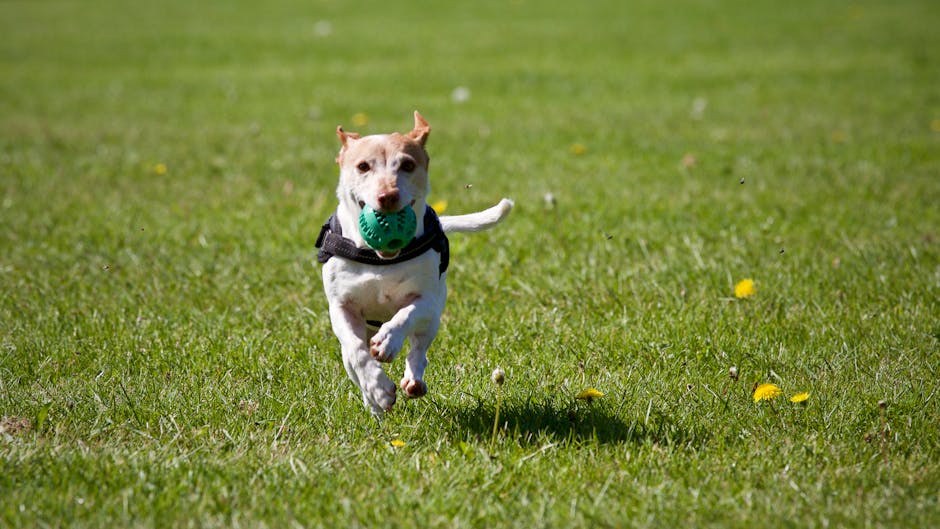
Dog training. Two words that can evoke feelings of both excitement and utter dread. Visions of perfectly behaved pups sitting calmly amidst chaos dance in our heads, but the reality can often involve chewed slippers, frantic barking, and the occasional "accident" on the brand new rug. Fear not, fellow dog owners, for the path to a well-behaved companion isn't paved with frustration, but with consistency, patience, and a healthy dose of humor.
One of the most fundamental aspects of dog training is establishing clear communication. Dogs don't speak human, and we certainly don't speak dog, so it's crucial to find a common language. This involves using consistent commands, hand signals, and body language that your dog can understand. Avoid confusing your furry friend with multiple commands for the same action. Pick a word, stick with it, and ensure everyone in the household uses the same command.
Positive reinforcement is the cornerstone of effective dog training. Rewarding desired behaviors with treats, praise, or a favorite toy creates a positive association and encourages your dog to repeat those behaviors. Remember, punishment rarely yields positive results and can often lead to fear and anxiety. Focus on rewarding the good and redirecting the bad.
Start with basic commands like sit, stay, and come. These commands form the foundation for more advanced training and are essential for everyday life. Keep training sessions short and engaging, especially in the beginning. A tired and mentally stimulated dog is a well-behaved dog.
Crate training can be a valuable tool, providing a safe and secure space for your dog. Introduce the crate gradually and make it a positive experience by associating it with treats and toys. Never use the crate as punishment. It should be a den, a place of comfort and security.
Socialization is another critical aspect of dog training. Exposing your dog to different people, places, and situations from an early age helps them develop into well-adjusted adults. This can involve puppy classes, dog parks, or simply taking them on walks in different environments.
Consistency is key. Just like children, dogs thrive on routine and clear expectations. Ensure everyone in the family is on the same page when it comes to training and follows the same rules. This consistency will help your dog understand what is expected of them and accelerate the learning process.
Don't be afraid to seek professional help. If you're struggling with specific behavioral issues or simply feel overwhelmed, a certified dog trainer can provide valuable guidance and support. They can tailor a training plan to your dog's specific needs and help you navigate the challenges of dog ownership. Remember, training is an ongoing process, a journey of learning and bonding with your furry companion.