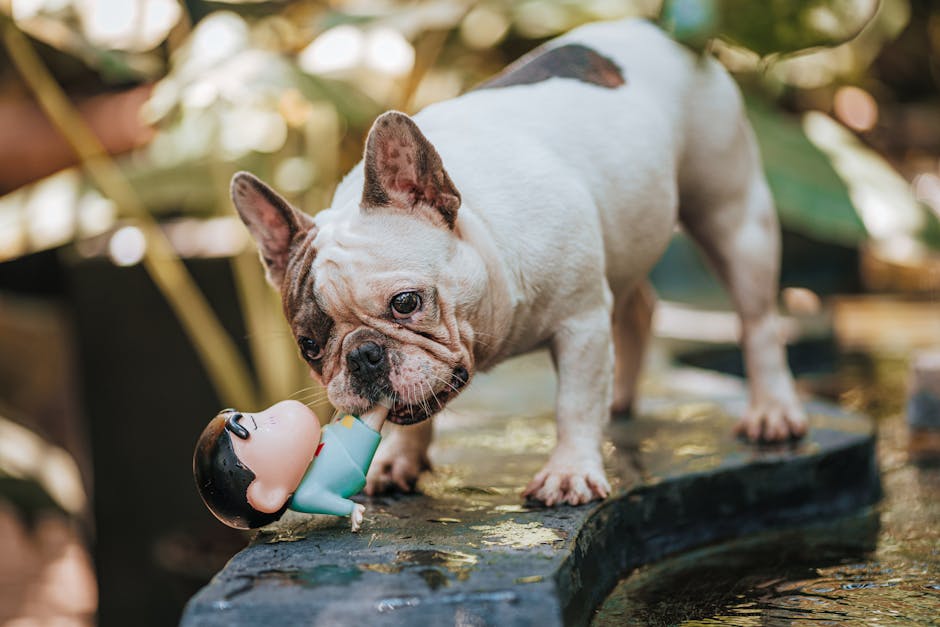
Bringing a furry friend into your life, whether a playful pup or a curious kitty, is a deeply rewarding experience. However, responsible pet ownership requires preparation and commitment. Cats and dogs have unique needs, and understanding these differences is crucial for their well-being and your happiness. This guide offers seven essential tips for navigating the joys and responsibilities of owning both cats and dogs.
Start with introductions carefully. Introducing a new cat or dog to an existing pet can be a delicate process. Start by keeping them separated, allowing them to get used to each other's scents. Gradually introduce them through supervised, short visits, rewarding positive interactions. Patience is key, and it may take time for them to become comfortable companions.
Provide species-appropriate resources. Cats and dogs have different dietary needs, exercise requirements, and preferences for enrichment. Ensure each pet has their own food and water bowls, comfortable bedding, and toys designed for their specific species. Cats need scratching posts and vertical spaces, while dogs benefit from regular walks and interactive playtime.
Tailor training approaches to each animal. While both cats and dogs can be trained, their learning styles differ. Positive reinforcement, using rewards and praise, is effective for both. Dogs thrive on structured obedience training, while cats respond well to clicker training and games that engage their natural hunting instincts.
Establish a consistent routine. Both cats and dogs benefit from predictable schedules for feeding, playtime, and rest. A consistent routine helps reduce anxiety and promotes a sense of security. Maintain regular grooming habits, including brushing, nail trimming, and dental care, to keep them healthy and comfortable.
Create a safe and stimulating environment. Ensure your home is free of hazards, such as toxic plants and unsecured electrical cords. Provide a variety of toys and enrichment activities to keep both your cat and dog mentally and physically stimulated. This can include puzzle feeders, interactive toys, and opportunities for exploration.
Consider individual personalities. Just like humans, cats and dogs have unique personalities. Some are more social and playful, while others are more independent and reserved. Understand each pet's individual temperament and adjust your interactions accordingly. Respect their boundaries and provide them with the space and attention they need.
Prioritize veterinary care. Regular check-ups, vaccinations, and preventative treatments are essential for maintaining your pets' health. Establish a relationship with a veterinarian you trust, and schedule routine visits to address any potential health concerns early on. A proactive approach to healthcare can help prevent serious illnesses and ensure your furry friends live long, happy lives.