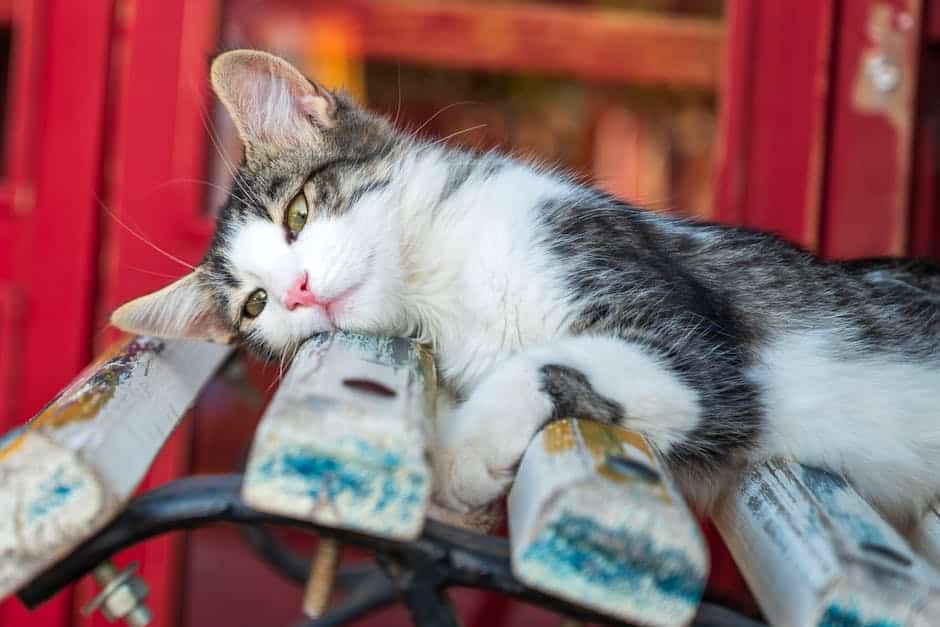
It is a classic image: the chasing dog, the hissing cat. For centuries, the relationship between these two beloved household pets has often been depicted as one of inherent rivalry. Yet, for many pet owners, the reality is far more nuanced, often blossoming into surprising friendships and peaceful coexistence that challenges these long-held stereotypes and enriches the home environment.
Their journey into human homes took vastly different paths, shaping their fundamental instincts. Dogs, descended from wolves, were bred for cooperation, hunting in packs, and following human commands, making them inherently social and eager to please. Cats, on the other hand, evolved as solitary hunters, valuing independence and subtlety, though they too adapted to human companionship on their own terms.
A significant source of initial friction often stems from their contrasting communication styles. A wagging dog tail, often a sign of friendliness or excitement, might be perceived as an aggressive threat by a cat, whose own tail swishing can indicate agitation. Similarly, a cat's slow blink of affection might go unnoticed or misinterpreted by a dog eager for more overt interaction.
Despite these differences, successful multi-species households are not only possible but common. The key lies in careful introduction and respect for each animal's needs. Gradual, supervised meetings, providing separate feeding stations, private resting spots, and ensuring ample resources for both species can lay the groundwork for a harmonious environment where both feel secure.
When cats and dogs learn to live together, the benefits can be profound. They can offer each other companionship, especially when their human family is away, reducing feelings of loneliness or boredom. Observing their unique interactions, from playful chases to shared naps, provides endless entertainment and a deeper appreciation for animal intelligence and adaptability.
Of course, challenges can arise. Different play styles, where a dog's boisterous energy might overwhelm a cat, or resource guarding over toys and food, need to be managed with patience. Consistent positive reinforcement, training both animals, and ensuring a safe retreat for the more timid pet are crucial strategies for maintaining peace and preventing conflict.
Ultimately, the dynamic between cats and dogs is a testament to the incredible versatility of animal behavior and the power of love and understanding. Far from being eternal adversaries, these fascinating creatures often demonstrate that with the right environment and human guidance, they can transcend their instinctual differences to form unique, heartwarming bonds, enriching the lives of everyone in the home.