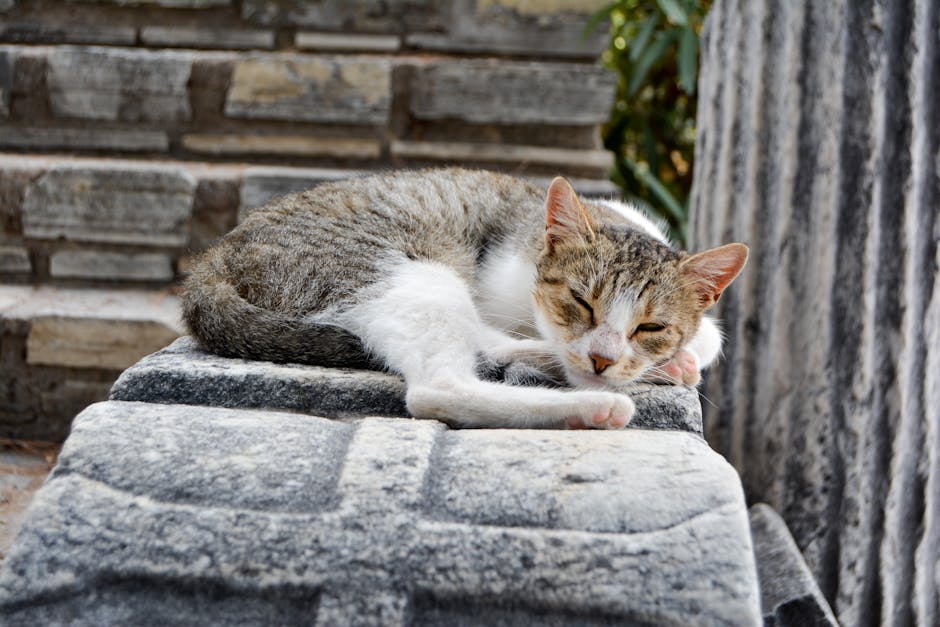
For centuries, the phrase "fighting like cats and dogs" has painted a vivid picture of eternal rivalry between these two beloved household pets. It's a stereotype deeply ingrained in our culture, often portraying them as natural enemies incapable of peaceful coexistence. However, anyone who has ever shared their home with both a purring cat and a tail-wagging dog knows that this generalization often falls short of the beautiful, complex reality of their interactions. Far from being adversaries, many cats and dogs form unique bonds, offering each other companionship, comfort, and even playful antics that enrich their lives and ours.
Their distinct evolutionary paths and domestication histories largely contribute to their differing behaviors. Dogs, descended from wolves, were selectively bred for tasks requiring cooperation, pack mentality, and clear communication with humans. They are inherently social creatures, often seeking approval and engaging in direct interactions. Cats, on the other hand, were initially valued for their independent hunting skills, keeping rodents at bay, and thus retained more of their solitary instincts. While they can be incredibly affectionate, their social structures and expressions of affection tend to be more nuanced and less overtly demonstrative than their canine counterparts.
These fundamental differences often lead to initial misunderstandings when they first meet. A dog's playful bark and eager approach might be perceived as a threat by a cautious cat, leading to a hiss or a swat. Conversely, a cat's subtle tail twitch or slow blink, which signifies contentment to another cat, might go unnoticed or be misinterpreted by a dog looking for more obvious signals. Their communication styles, from vocalizations to body language, operate on different wavelengths, requiring both species and their human caregivers to learn a new lexicon of interspecies understanding.
Despite these challenges, countless homes successfully integrate both cats and dogs, demonstrating that peace is not only possible but often delightful. The key often lies in early socialization, where both animals are introduced to each other from a young age, allowing them to grow up accustomed to each other's presence and quirks. Individual personalities also play a significant role; a calm, gentle dog is more likely to be accepted by a skittish cat, and an outgoing feline might even initiate play with a boisterous pup. Patience and positive reinforcement from owners are crucial in bridging the initial gaps.
The benefits of a multi-species household are manifold. For the pets themselves, having a companion can alleviate loneliness, provide mental stimulation, and offer different forms of play. Dogs might learn a gentler approach from a cat, while a cat might become more confident and outgoing when exposed to a playful dog. For humans, the joy of witnessing an unlikely friendship blossom, or observing the unique ways a cat and dog interact, adds an immeasurable richness to daily life. It's a constant reminder that love and connection can transcend species boundaries.
For those considering adding a cat to a dog-friendly home, or vice versa, careful planning is essential. Gradual introductions are paramount, starting with scent swapping before supervised visual contact. Providing each animal with their own safe spaces, such as high perches for cats or crates for dogs, ensures they have retreats when needed. Rewarding calm and positive interactions with treats and praise helps both animals associate each other with good experiences. Never force interactions and always supervise initial meetings closely to prevent any negative encounters that could set back progress.
In conclusion, the narrative of cats and dogs as perpetual adversaries is a charming but often inaccurate myth. While their differences are undeniable, they are not insurmountable. With understanding, patience, and thoughtful management, these two distinct species can not only coexist but thrive together, forming heartwarming bonds that challenge our preconceived notions of animal relationships. They remind us that companionship comes in many forms, and the love shared between a cat and a dog, though expressed uniquely, is just as profound and rewarding as any other.